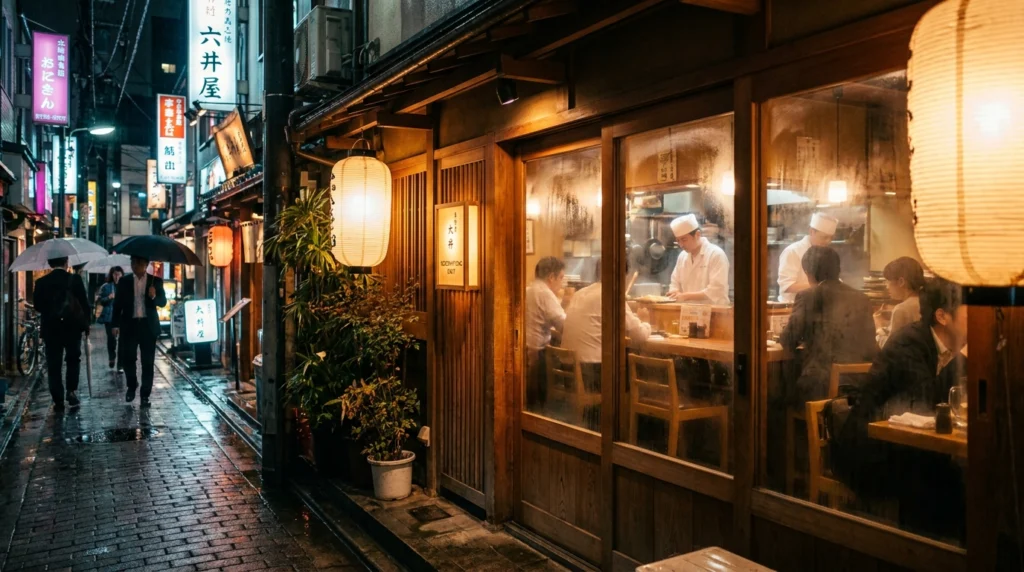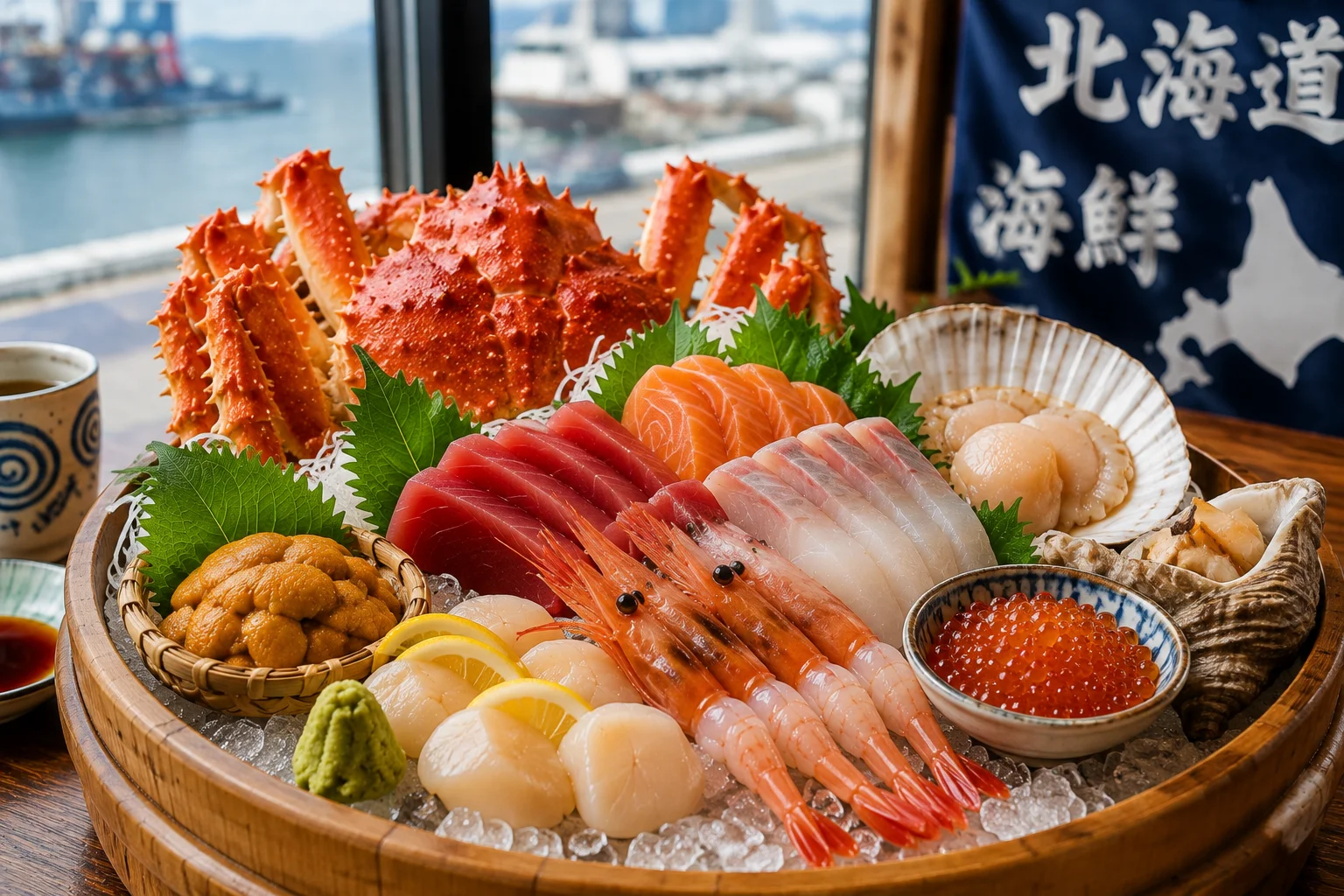
Hokkaido is widely recognized for the quality and variety of its seafood. Surrounded by productive waters and supported by a cool climate, the island has developed a food culture where fresh marine ingredients play an important role in everyday meals as well as refined cuisine.
For travelers, exploring Hokkaido seafood provides more than an opportunity to try different dishes. The ingredients themselves reveal how geography, seasons, fishing traditions, and local food culture have shaped what people eat across the region.
Why Hokkaido Is Known for Seafood
Hokkaido’s location gives it access to several productive fishing areas.
The surrounding waters support a wide range of marine species, while the island’s cooler climate helps create conditions associated with many of its best-known seafood products.
Seafood is therefore not simply a tourist attraction. It forms an important part of the region’s culinary identity.
Cold waters and rich marine resources
The waters surrounding Hokkaido are home to numerous species of fish and shellfish.
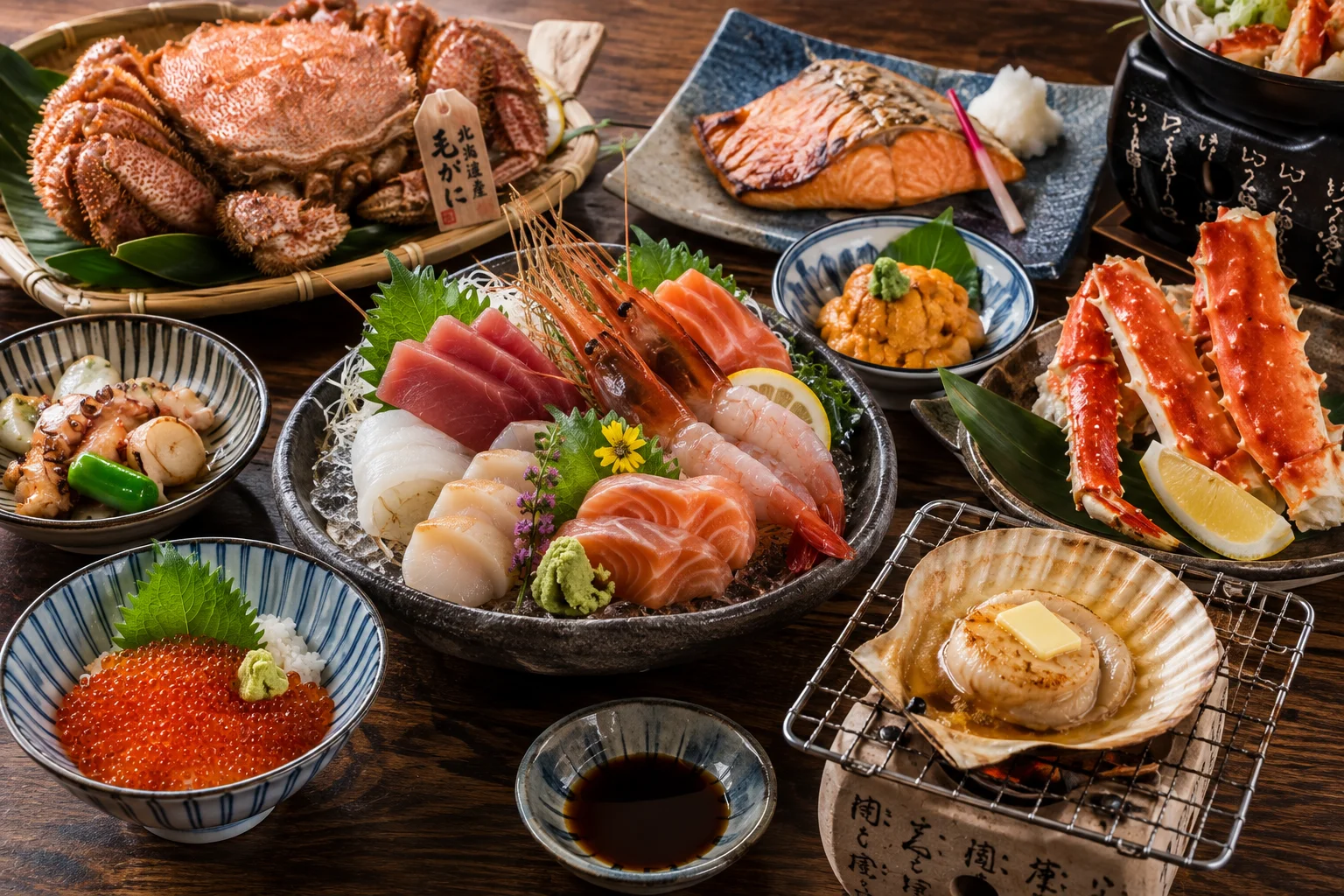
Depending on the location and season, travelers may encounter salmon, scallops, shrimp, squid, crab, sea urchin, and other seafood.
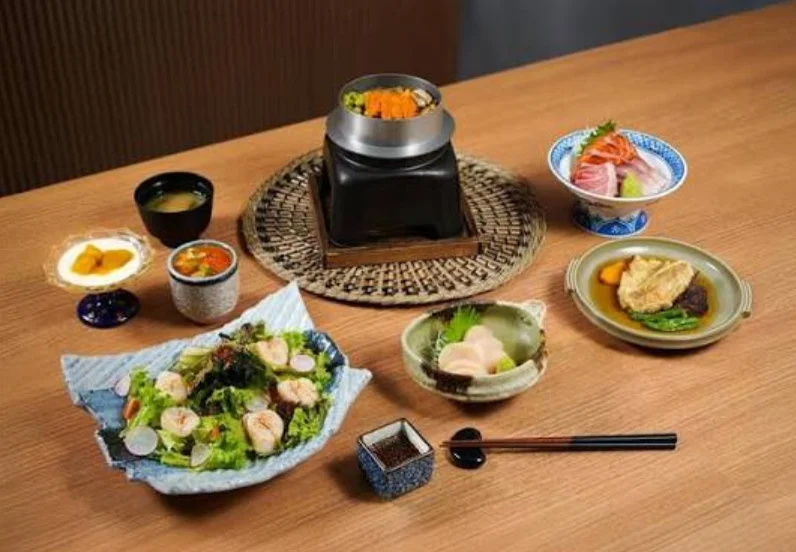
These ingredients can be prepared in many different ways, from raw sashimi to grilled, steamed, simmered, and hot-pot dishes.
Regional differences within Hokkaido
Hokkaido is a large island, so seafood traditions can vary between coastal communities.
A particular port may be known for one type of seafood, while another area may have a different specialty based on local fishing conditions.
This regional diversity is one reason seafood can be such an interesting way to explore Hokkaido.
Famous Seafood Ingredients From Hokkaido
Several ingredients have become closely associated with the region.
Crab
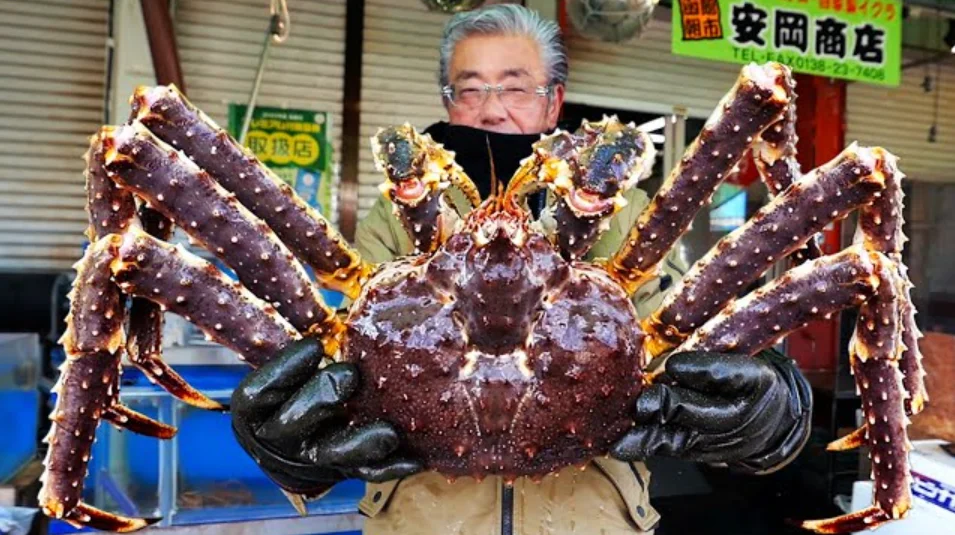
Crab is one of the most recognizable Hokkaido seafood specialties.
Different varieties can be prepared in different ways, including steaming, grilling, hot pots, and other dishes.
The natural sweetness of the meat means that elaborate seasoning is not always necessary.
For travelers, trying crab can provide a straightforward introduction to the richness of Hokkaido’s marine ingredients.
Scallops
Hokkaido scallops are valued for their texture and naturally sweet flavor.
They can be enjoyed raw, grilled, seared, or incorporated into rice dishes and other preparations.
Because scallops work well with several cooking methods, travelers can compare how the same ingredient changes depending on preparation.
Sea Urchin
Sea urchin, or uni, is another highly sought-after ingredient.
Fresh uni has a creamy texture and delicate flavor that can be quite different from the seafood dishes many international travelers are familiar with.
It is often served with rice, sushi, or sashimi.
Availability can depend heavily on the season, so travelers interested in trying it should consider asking about current local specialties.
Salmon
Salmon has a strong connection with northern Japanese food culture.
It can be grilled, served with rice, included in soups, or prepared in other regional dishes.
Its versatility makes it one of the more approachable Hokkaido seafood ingredients for first-time visitors.
Shrimp
Hokkaido is also associated with several varieties of shrimp.
Shrimp can appear in sushi, sashimi, grilled dishes, tempura, and other preparations.
Trying different preparations can help travelers appreciate the differences in texture and flavor between raw and cooked seafood.
Seafood and Seasonality
Seasonality is an important part of understanding Hokkaido seafood.
Different species become more prominent at different times of year, meaning the seafood experience can change depending on when you visit.
Spring seafood
Spring can bring a transition toward different varieties of seafood as conditions change.
Travelers visiting during this period may encounter seasonal offerings that are not as prominent during the colder months.
Summer seafood
Summer can be an appealing time for seafood-focused travel, particularly when combined with Hokkaido’s agricultural produce.
Markets and restaurants may feature fresh seasonal ingredients alongside locally grown vegetables.
Autumn seafood
Autumn is an important season for several northern seafood traditions.
Salmon and other marine products can become particularly prominent, while the island’s agricultural harvest adds additional variety to local meals.
Winter seafood
Winter is closely associated with several rich and hearty seafood experiences.
Crab and other seafood can be particularly appealing when served warm, including in hot pots and other dishes suited to cold weather.
How Seafood Is Prepared in Hokkaido
One of the most interesting aspects of Hokkaido cuisine is the range of preparation methods.
Sashimi
Fresh seafood can be served raw as sashimi, allowing the natural texture and flavor of the ingredient to remain the focus.
Sashimi is often accompanied by soy sauce, wasabi, and garnishes.
Grilled seafood
Grilling can add a smoky flavor while retaining the natural characteristics of the seafood.
Scallops, salmon, squid, and other ingredients can all be prepared this way.
Hot pots
Hot-pot dishes are particularly appealing during colder seasons.
Seafood can be combined with vegetables, mushrooms, tofu, and broth to create a warming shared meal.
Sushi and seafood rice bowls
Sushi provides another way to experience Hokkaido ingredients.
Seafood rice bowls can also combine several ingredients in one meal, making them a convenient option for travelers who want to sample multiple types of seafood at once.
Seafood Markets and Local Food Experiences
Food markets can be an excellent way to experience Hokkaido’s seafood culture.
Rather than simply visiting a restaurant, travelers can see fresh ingredients, observe how seafood is displayed, and discover products they may not encounter elsewhere.
Start with local markets
Markets can offer a wide range of seafood alongside vegetables, prepared foods, snacks, and other regional products.
They are particularly useful for travelers who want to sample several ingredients during a single visit.
Look beyond familiar seafood
International visitors may naturally search for salmon, crab, or shrimp.
However, local markets can introduce travelers to less familiar fish and shellfish.
Asking vendors about seasonal recommendations can be a good way to discover something new.
Hokkaido Seafood in Sapporo
Although Sapporo is not a coastal city, it plays an important role in showcasing seafood from throughout Hokkaido.
The city’s restaurants and food markets bring together ingredients from different parts of the island.
This makes Sapporo a convenient destination for travelers who want to experience Hokkaido seafood without traveling to multiple coastal towns.
Seafood bowls
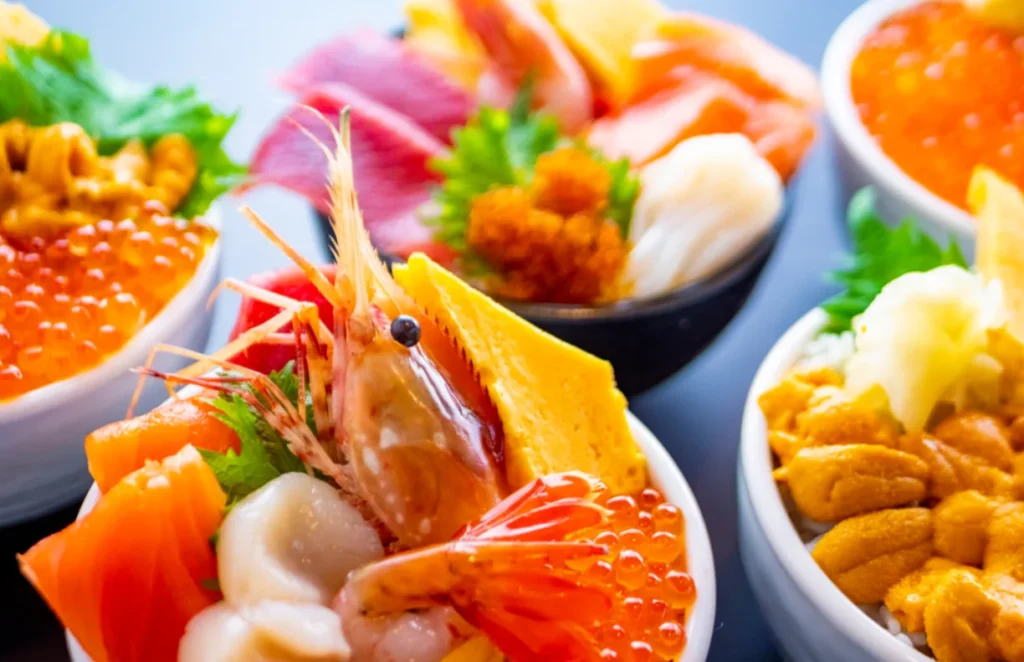
Seafood bowls are a popular way to combine several regional ingredients in one meal.
A single bowl may include salmon, scallops, shrimp, sea urchin, salmon roe, or other seasonal seafood.
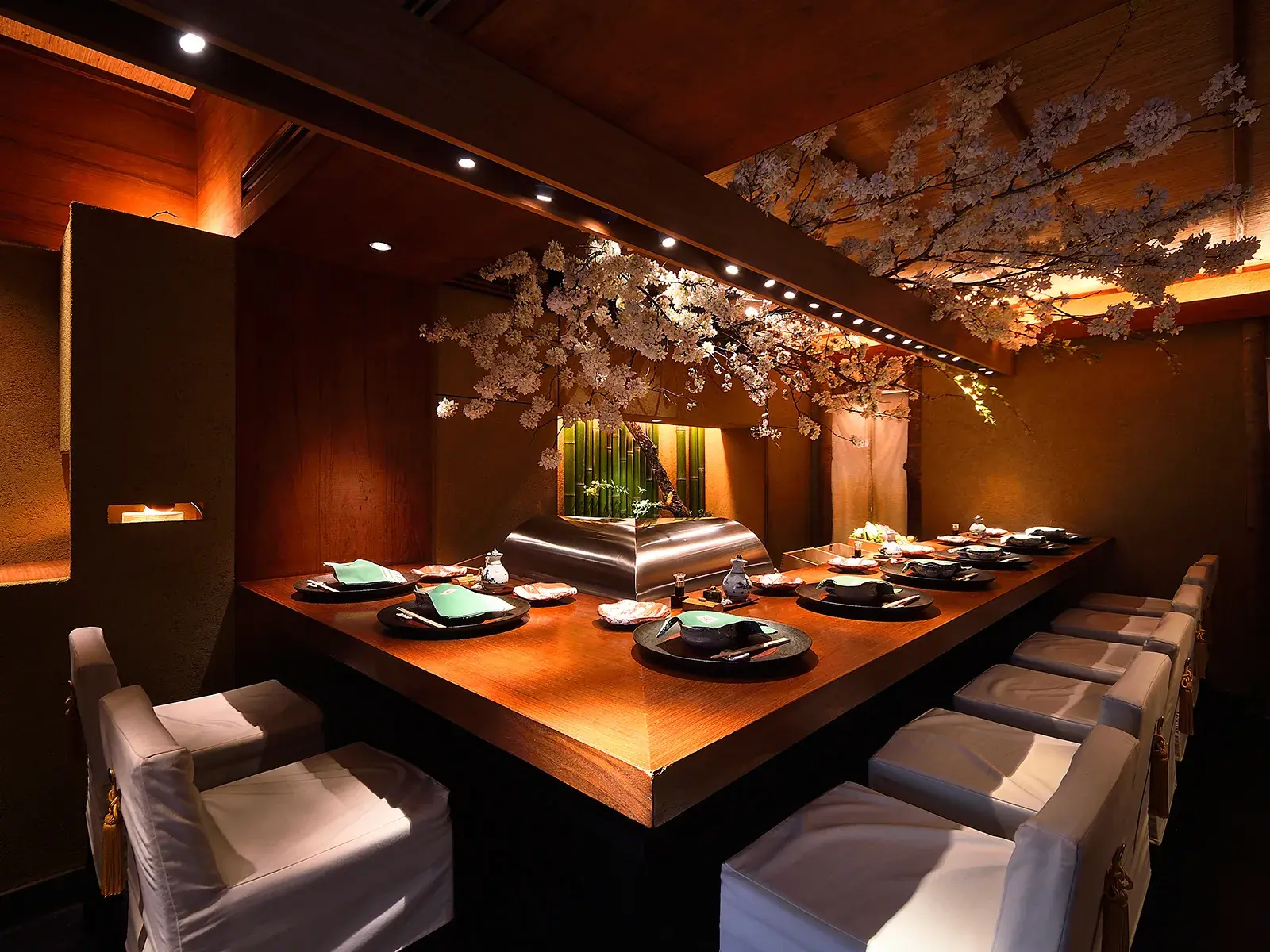
Refined seafood dining
Hokkaido ingredients can also be incorporated into more sophisticated dining experiences.
Restaurants may focus on seasonal sourcing, careful presentation, and preparation methods that highlight the natural characteristics of the seafood.
Travelers interested in the broader culinary traditions behind these ingredients can explore this hokkaido food culture resource for additional context.
Pairing Seafood With Local Ingredients
Hokkaido’s seafood does not exist independently from its agricultural food culture.
The island’s vegetables, rice, dairy products, and other ingredients can complement seafood in different dishes.
Seafood and vegetables
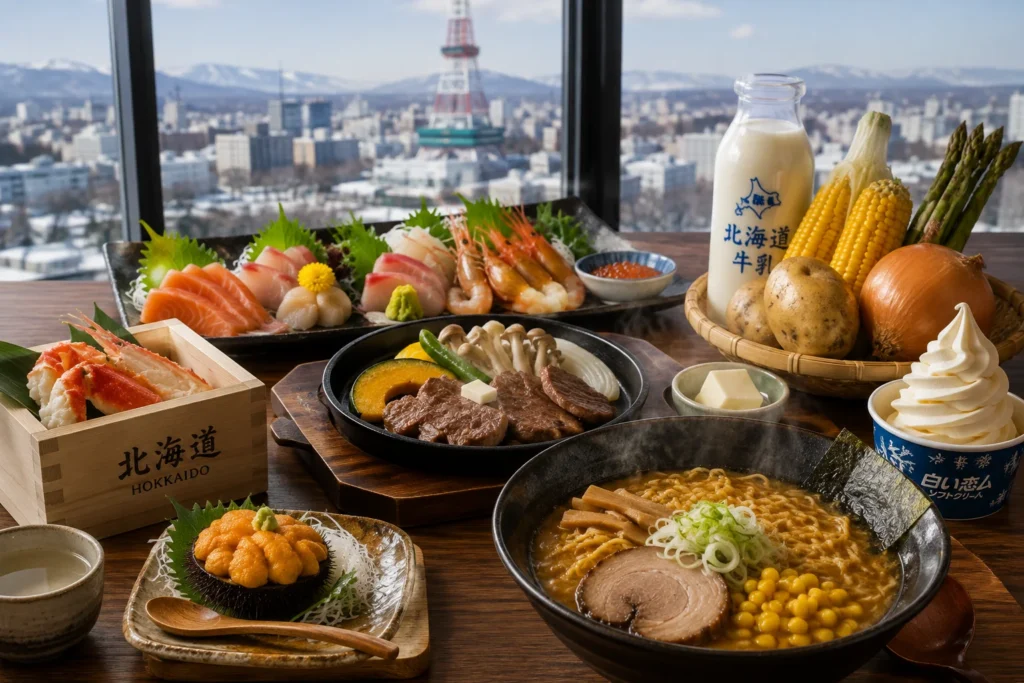
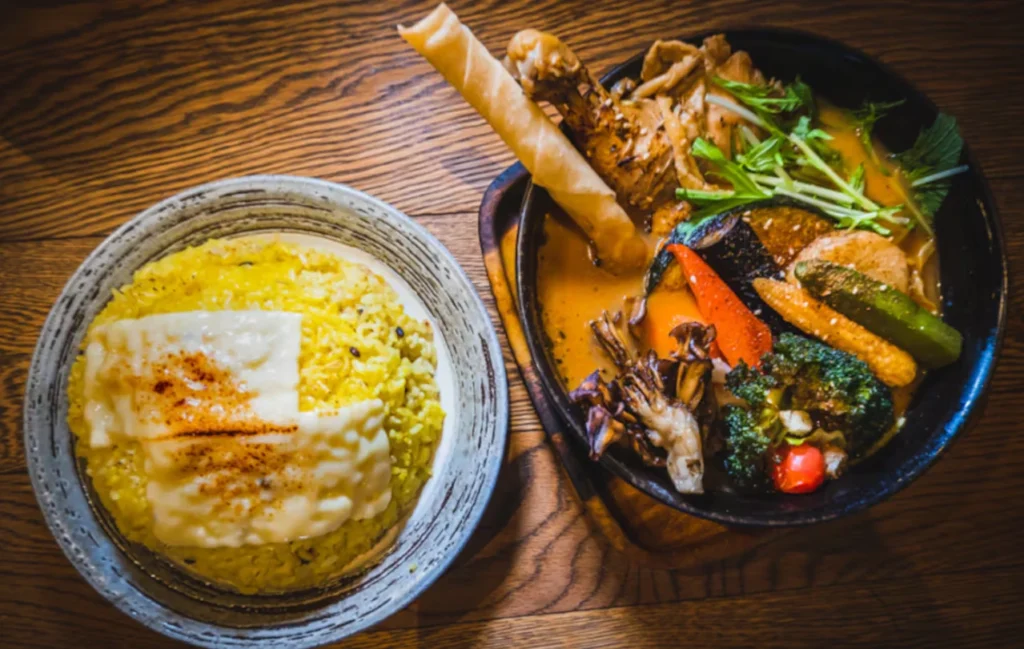
Root vegetables, mushrooms, corn, and seasonal greens can be combined with seafood in soups, hot pots, and grilled dishes.
This creates meals that reflect both sides of Hokkaido’s food production.
Seafood and rice
Rice provides a natural base for many seafood preparations.
From sushi and rice bowls to grilled fish served with steamed rice, the combination remains an important part of Japanese dining.
How Travelers Can Explore Hokkaido Seafood
A seafood-focused trip does not have to revolve around expensive meals.
There are many ways to experience regional ingredients at different price points.
Try casual dishes
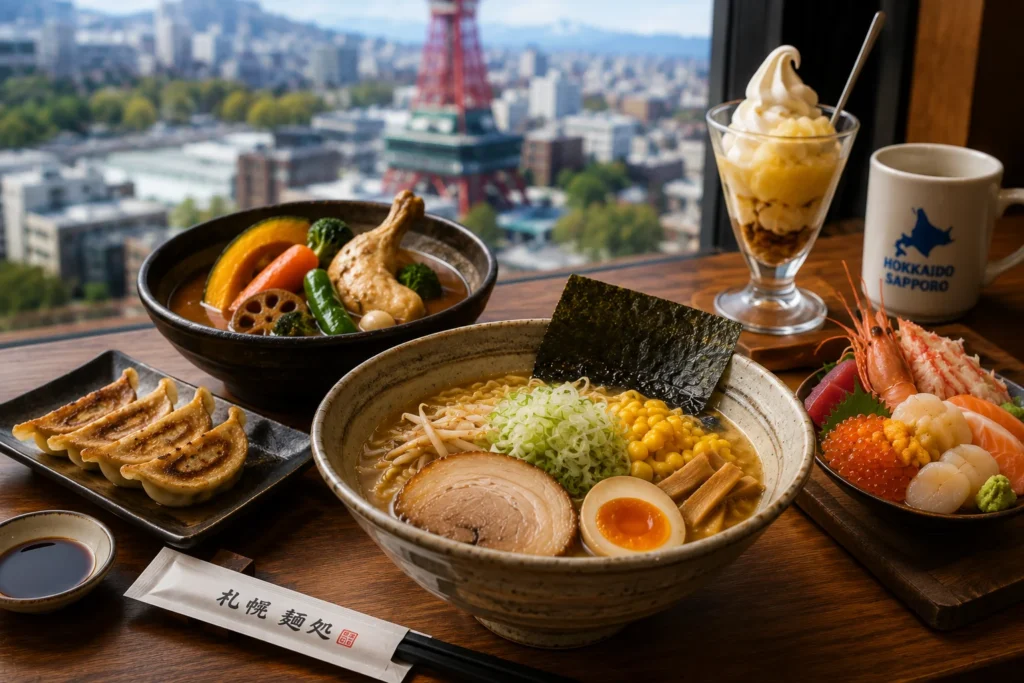
Ramen, rice bowls, grilled seafood, and market foods can provide accessible introductions to local ingredients.
Compare preparations
If you particularly enjoy an ingredient, try it in more than one preparation.
For example, scallops can be compared raw, grilled, or incorporated into a hot-pot dish.
Ask about seasonal specialties
Menus can change according to availability.
Asking staff which seafood is currently in season can lead to a more authentic regional experience.
Responsible Seafood Enjoyment
Travelers should also recognize that seafood depends on marine ecosystems and responsible fishing practices.
Availability can change according to environmental conditions, fishing regulations, and seasonal restrictions.
Rather than expecting every ingredient to be available year-round, travelers can appreciate the idea of eating according to season.
This approach is consistent with the broader Japanese appreciation for seasonal ingredients.
Final Thoughts
Hokkaido seafood reflects the island’s geography, climate, fishing traditions, and relationship with seasonal food.
Crab, scallops, sea urchin, salmon, shrimp, and many other marine ingredients have become important parts of the region’s culinary identity.
For travelers, the experience becomes even more interesting when seafood is explored through different preparation methods and combined with Hokkaido’s agricultural ingredients.
Sapporo provides a convenient starting point because the city’s restaurants and markets bring together seafood from across the island.
Whether you choose a casual market meal, a seafood rice bowl, freshly prepared sashimi, or a refined dining experience, exploring Hokkaido’s marine ingredients can offer a deeper understanding of the region’s distinctive food culture.