For expert assistance with your next project, consider leveraging professional Building Project Management in Sydney services that can help ensure your construction complies with all relevant regulations and codes. Building regulations and codes are essential in ensuring that construction projects meet the necessary safety, environmental, and legal standards. For construction professionals in Sydney, these regulations are crucial for the successful execution of projects, whether residential, commercial, or industrial. Complying with these codes is necessary not only to meet legal requirements but also to ensure the safety, sustainability, and long-term success of your building. Understanding these regulations can be complex, but with careful navigation, you can streamline the process and avoid costly delays and legal issues.
Understanding these regulations can be complex, but with careful navigation, you can streamline the process and avoid costly delays and legal issues. This article will guide you through the key building regulations in Sydney, helping you stay compliant and informed throughout your project.
Overview of Building Regulations and Codes in Sydney
Building regulations and codes are rules and standards designed to ensure that construction projects are safe, sustainable, and fit for their intended use. In Sydney, these regulations are influenced by both national and local codes. The National Construction Code (NCC) serves as the foundation for all building projects across Australia, outlining the general requirements for design, construction, and occupancy. In addition, Sydney’s local councils, including the City of Sydney, impose regulations that may address unique local concerns, such as heritage preservation, environmental protection, and urban planning. Compliance with these regulations is crucial for securing approvals and ensuring the project’s smooth progress from start to finish.
Key Building Codes and Standards in Sydney
- National Construction Code (NCC)
- The NCC serves as the primary framework for building regulations in Australia. It covers essential areas such as structural performance, safety, energy efficiency, and health standards. Whether you’re building a residential or commercial property in Sydney, the NCC establishes the minimum standards for compliance. Builders and developers must ensure that their designs, construction methods, and materials align with the NCC to avoid delays or penalties during inspections.
- The NCC serves as the primary framework for building regulations in Australia. It covers essential areas such as structural performance, safety, energy efficiency, and health standards. Whether you’re building a residential or commercial property in Sydney, the NCC establishes the minimum standards for compliance. Builders and developers must ensure that their designs, construction methods, and materials align with the NCC to avoid delays or penalties during inspections.
- Building Sustainability Index (BASIX)
- BASIX is a mandatory requirement for all residential developments in Sydney, with a focus on environmental sustainability. The regulation requires that new homes meet specific targets for water and energy efficiency. BASIX certificates are issued after a series of calculations that evaluate factors such as heating and cooling energy use, water conservation, and the building’s overall environmental impact. Builders like Stemar Group are well-versed in helping projects meet these sustainability benchmarks, ensuring they not only comply with the code but are also future-proof in terms of environmental responsibility.
- BASIX is a mandatory requirement for all residential developments in Sydney, with a focus on environmental sustainability. The regulation requires that new homes meet specific targets for water and energy efficiency. BASIX certificates are issued after a series of calculations that evaluate factors such as heating and cooling energy use, water conservation, and the building’s overall environmental impact. Builders like Stemar Group are well-versed in helping projects meet these sustainability benchmarks, ensuring they not only comply with the code but are also future-proof in terms of environmental responsibility.
- Fire Safety Codes
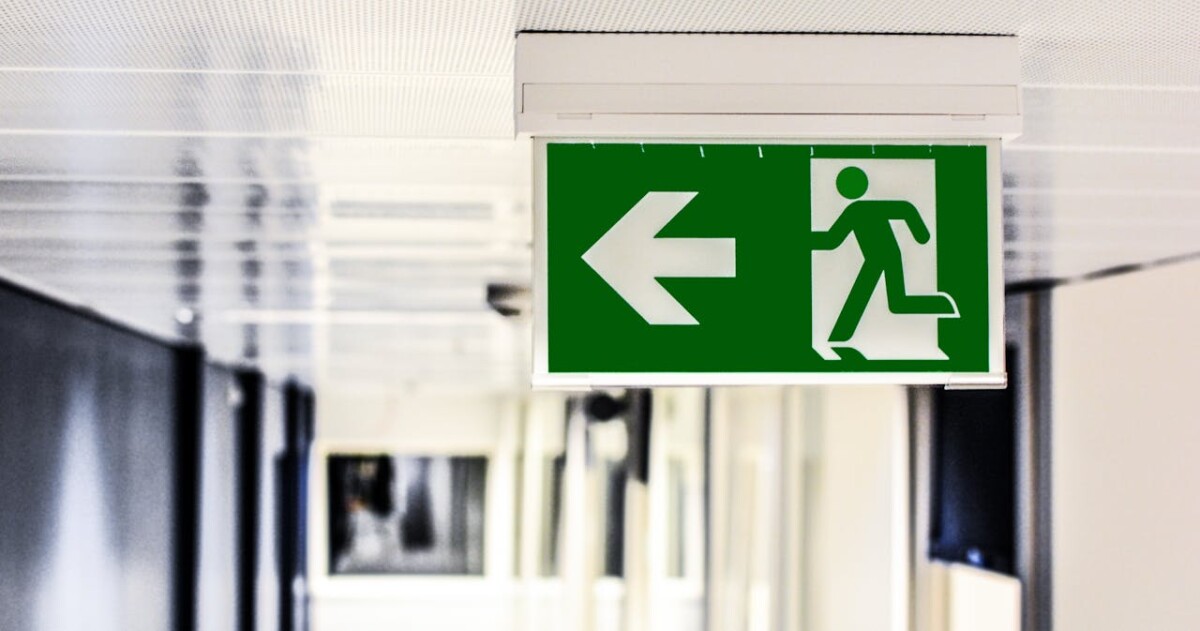
- Ensuring the safety of building occupants in the event of a fire is a key concern in Sydney’s building regulations. The fire safety codes within the NCC provide detailed requirements for fire-resistant materials, fire escapes, emergency lighting, and alarm systems. Sydney also has additional codes for specific building types, including high-rise buildings. Builders and project managers must ensure compliance with these fire safety standards to protect both the property and its inhabitants.
- Ensuring the safety of building occupants in the event of a fire is a key concern in Sydney’s building regulations. The fire safety codes within the NCC provide detailed requirements for fire-resistant materials, fire escapes, emergency lighting, and alarm systems. Sydney also has additional codes for specific building types, including high-rise buildings. Builders and project managers must ensure compliance with these fire safety standards to protect both the property and its inhabitants.
- Accessibility Standards
- Sydney adheres to the Disability Discrimination Act (DDA), which requires all buildings to be accessible to people with disabilities. This includes guidelines for accessible entryways, door widths, ramps, elevators, and bathroom facilities. These standards ensure that people with mobility challenges can access and navigate buildings safely and comfortably. Project managers must incorporate these elements into their designs and construction processes, as non-compliance could lead to legal issues and delays in obtaining occupancy certificates.
- Sydney adheres to the Disability Discrimination Act (DDA), which requires all buildings to be accessible to people with disabilities. This includes guidelines for accessible entryways, door widths, ramps, elevators, and bathroom facilities. These standards ensure that people with mobility challenges can access and navigate buildings safely and comfortably. Project managers must incorporate these elements into their designs and construction processes, as non-compliance could lead to legal issues and delays in obtaining occupancy certificates.
Navigating the Approval Process
- Planning Approvals
- Before beginning any construction project in Sydney, you must apply for planning approval. The application process requires submitting a Development Application (DA) to the relevant local council. The DA must include detailed plans and assessments of the project’s environmental, social, and economic impact. The City of Sydney and other local councils will review the application to ensure that it complies with zoning laws, local planning policies, and environmental guidelines. It’s crucial to submit a thorough, well-prepared application to avoid rejection or delays.
- Before beginning any construction project in Sydney, you must apply for planning approval. The application process requires submitting a Development Application (DA) to the relevant local council. The DA must include detailed plans and assessments of the project’s environmental, social, and economic impact. The City of Sydney and other local councils will review the application to ensure that it complies with zoning laws, local planning policies, and environmental guidelines. It’s crucial to submit a thorough, well-prepared application to avoid rejection or delays.
- Building Permits
- After securing planning approval, the next step is to obtain a building permit. This permit ensures that the project complies with the NCC and other relevant standards. Building permits are typically issued by a private certifier or local government certifier in Sydney. The process requires submitting the final construction plans and specifications, which will be thoroughly checked before the permit is issued. During construction, the certifier will also conduct inspections to ensure ongoing compliance.
- After securing planning approval, the next step is to obtain a building permit. This permit ensures that the project complies with the NCC and other relevant standards. Building permits are typically issued by a private certifier or local government certifier in Sydney. The process requires submitting the final construction plans and specifications, which will be thoroughly checked before the permit is issued. During construction, the certifier will also conduct inspections to ensure ongoing compliance.
- Certificate of Occupancy
- Once the building is complete, a Certificate of Occupancy is required before the property can be occupied. This certificate confirms that the building meets all safety, accessibility, and regulatory standards. The certifier conducts a final inspection to check whether everything is in place, from fire safety systems to the functionality of accessibility features. Only after passing this inspection can the building legally open for use.
- Once the building is complete, a Certificate of Occupancy is required before the property can be occupied. This certificate confirms that the building meets all safety, accessibility, and regulatory standards. The certifier conducts a final inspection to check whether everything is in place, from fire safety systems to the functionality of accessibility features. Only after passing this inspection can the building legally open for use.
Local Government Requirements and Compliance
Sydney’s local councils, including the City of Sydney, play a significant role in regulating construction projects. These councils have specific rules related to zoning, heritage preservation, and environmental protection. For example, in heritage-listed areas, additional considerations must be made to preserve the historical significance of the structures while allowing for modern development. In flood-prone zones, construction methods and materials may need to comply with additional safety requirements. It is vital for project managers and builders to work closely with local authorities to ensure compliance with all local regulations, preventing potential compliance issues.
Building Code Compliance Checklist
- Pre-construction:
- Ensure the project complies with the NCC and local zoning regulations.
- Apply for planning approval and submit all required documents, including environmental impact assessments.
- For residential projects, obtain a BASIX certificate to demonstrate sustainability.
- During Construction:
- Regularly inspect the site to ensure work is carried out in accordance with the approved plans and building codes.
- Coordinate with the certifier to ensure compliance at each inspection stage.
- Keep all records of inspections and materials used, as these may be required during the final certification.
- Post-Construction:
- Apply for a Certificate of Occupancy after the final inspection.
- Address any non-compliance issues identified during the inspection before occupancy.
Hiring the Right Professionals for Compliance
Building a successful project requires a team of professionals who are familiar with the regulatory landscape. A building surveyor is crucial for ensuring compliance with building codes. They will assess plans, inspect the construction process, and help ensure that the project meets all regulatory requirements. Additionally, legal advice may be necessary, especially when dealing with complex contracts, disputes, or compliance issues. Builders and developers such as Stemar Group bring a wealth of expertise, ensuring that every stage of the project complies with local and national building codes.
Penalties for Non-Compliance
Failure to comply with building regulations can lead to serious consequences. These may include fines, project delays, and even legal action. In some cases, buildings that do not meet safety or regulatory standards may be ordered to be altered or demolished. Furthermore, construction professionals who fail to comply with regulations may face personal liability. Ensuring compliance with building codes and obtaining the necessary permits and certifications is essential to avoid these costly penalties.
Tips for Staying Up-to-Date with Changing Codes
Building codes and regulations are subject to change, so it’s important to stay up to date. One of the best ways to do this is by regularly visiting official websites such as NSW Fair Trading and City of Sydney. These sites provide the latest updates on building codes, sustainability measures, and regulatory changes. Builders should also subscribe to industry newsletters and join professional associations to gain access to new information and resources. Companies like Stemar Group understand the evolving nature of building regulations and can help their clients stay ahead of any changes.
Conclusion
Understanding and complying with building regulations and codes in Sydney is vital to any construction project. From obtaining planning approval to securing a Certificate of Occupancy, every step of the process requires careful attention to ensure compliance with local and national codes. By working with qualified professionals and staying informed about regulatory updates, you can ensure that your building project runs smoothly and efficiently. Whether you’re a developer, project manager, or builder, compliance should always be a top priority to avoid penalties and achieve long-term success.