Blog

  • Hokkaido Seafood and Regional Ingredients

    Hokkaido Seafood and Regional Ingredients

    Hokkaido is widely recognized for the quality and variety of its seafood. Surrounded by productive waters and supported by a cool climate, the island has developed a food culture where fresh marine ingredients play an important role in everyday meals as well as refined cuisine.

    For travelers, exploring Hokkaido seafood provides more than an opportunity to try different dishes. The ingredients themselves reveal how geography, seasons, fishing traditions, and local food culture have shaped what people eat across the region.

    Why Hokkaido Is Known for Seafood
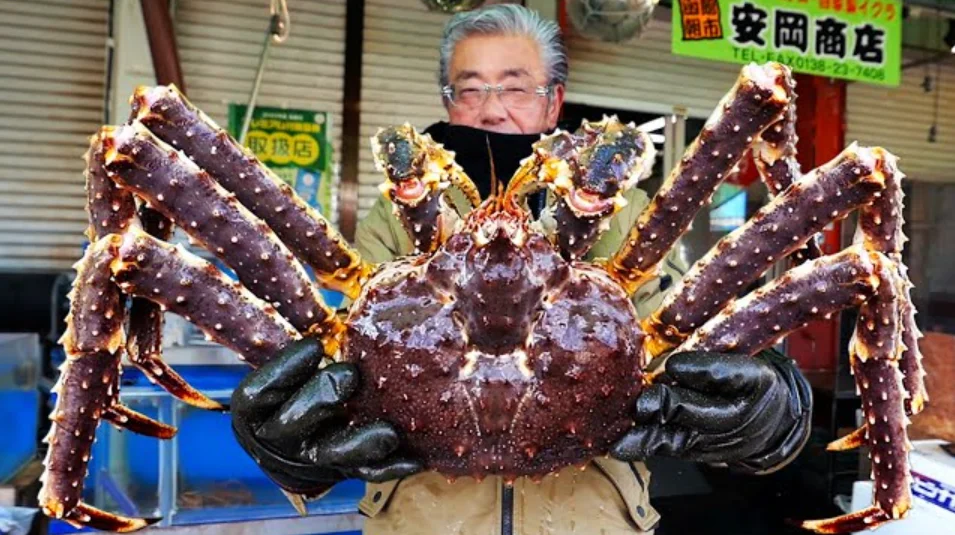
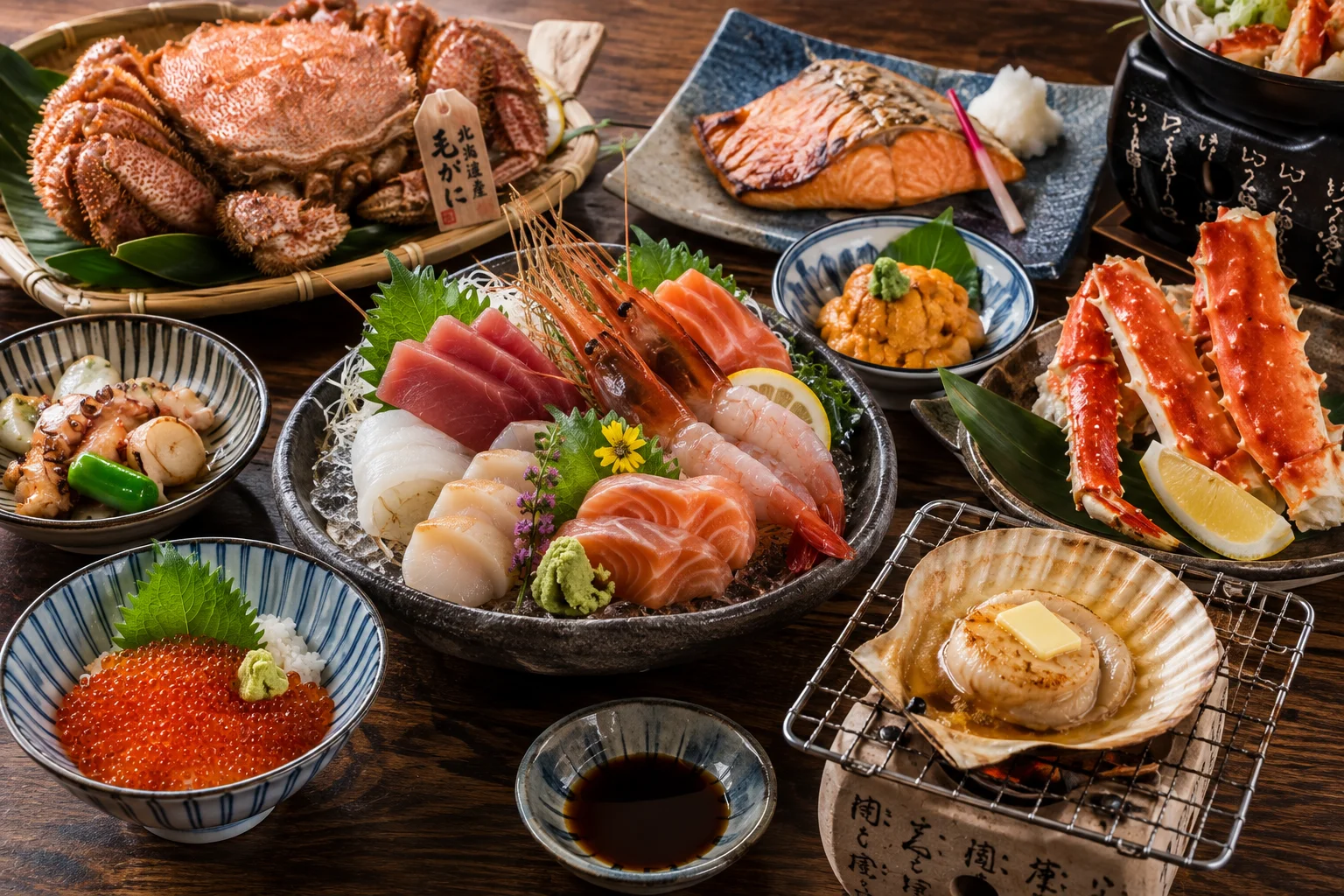
    fresh crab and seafood from hokkaido

    Hokkaido’s location gives it access to several productive fishing areas.

    The surrounding waters support a wide range of marine species, while the island’s cooler climate helps create conditions associated with many of its best-known seafood products.

    Seafood is therefore not simply a tourist attraction. It forms an important part of the region’s culinary identity.

    Cold waters and rich marine resources

    The waters surrounding Hokkaido are home to numerous species of fish and shellfish.

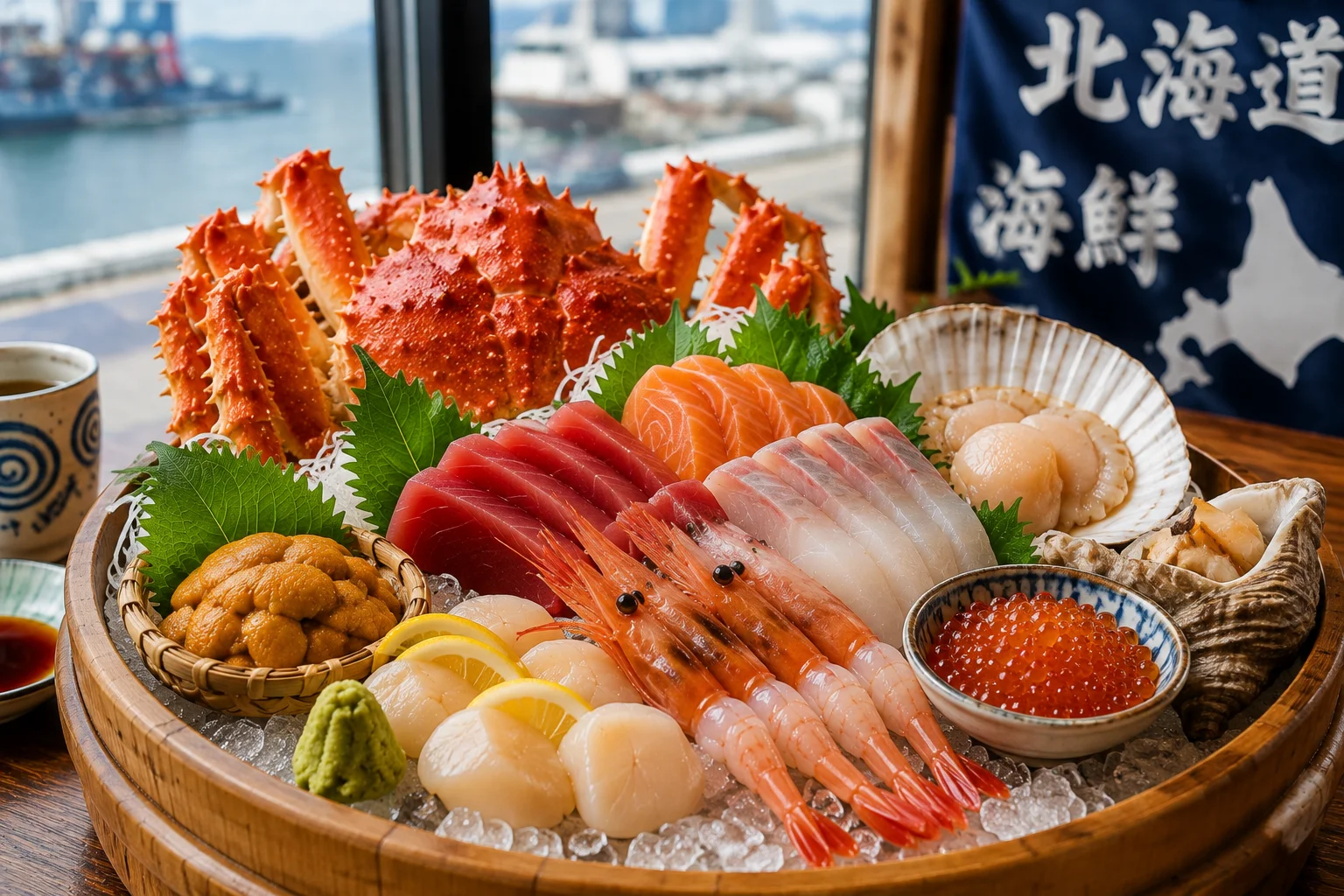
    Depending on the location and season, travelers may encounter salmon, scallops, shrimp, squid, crab, sea urchin, and other seafood.

    These ingredients can be prepared in many different ways, from raw sashimi to grilled, steamed, simmered, and hot-pot dishes.

    Regional differences within Hokkaido

    Hokkaido is a large island, so seafood traditions can vary between coastal communities.

    A particular port may be known for one type of seafood, while another area may have a different specialty based on local fishing conditions.

    This regional diversity is one reason seafood can be such an interesting way to explore Hokkaido.

    Famous Seafood Ingredients From Hokkaido

    Several ingredients have become closely associated with the region.

    Crab

    Crab is one of the most recognizable Hokkaido seafood specialties.

    Different varieties can be prepared in different ways, including steaming, grilling, hot pots, and other dishes.

    The natural sweetness of the meat means that elaborate seasoning is not always necessary.

    For travelers, trying crab can provide a straightforward introduction to the richness of Hokkaido’s marine ingredients.

    Scallops

    Hokkaido scallops are valued for their texture and naturally sweet flavor.

    They can be enjoyed raw, grilled, seared, or incorporated into rice dishes and other preparations.

    Because scallops work well with several cooking methods, travelers can compare how the same ingredient changes depending on preparation.

    Sea Urchin

    Sea urchin, or uni, is another highly sought-after ingredient.

    Fresh uni has a creamy texture and delicate flavor that can be quite different from the seafood dishes many international travelers are familiar with.

    It is often served with rice, sushi, or sashimi.

    Availability can depend heavily on the season, so travelers interested in trying it should consider asking about current local specialties.

    Salmon

    Salmon has a strong connection with northern Japanese food culture.

    It can be grilled, served with rice, included in soups, or prepared in other regional dishes.

    Its versatility makes it one of the more approachable Hokkaido seafood ingredients for first-time visitors.

    Shrimp

    Hokkaido is also associated with several varieties of shrimp.

    Shrimp can appear in sushi, sashimi, grilled dishes, tempura, and other preparations.

    Trying different preparations can help travelers appreciate the differences in texture and flavor between raw and cooked seafood.

    Seafood and Seasonality
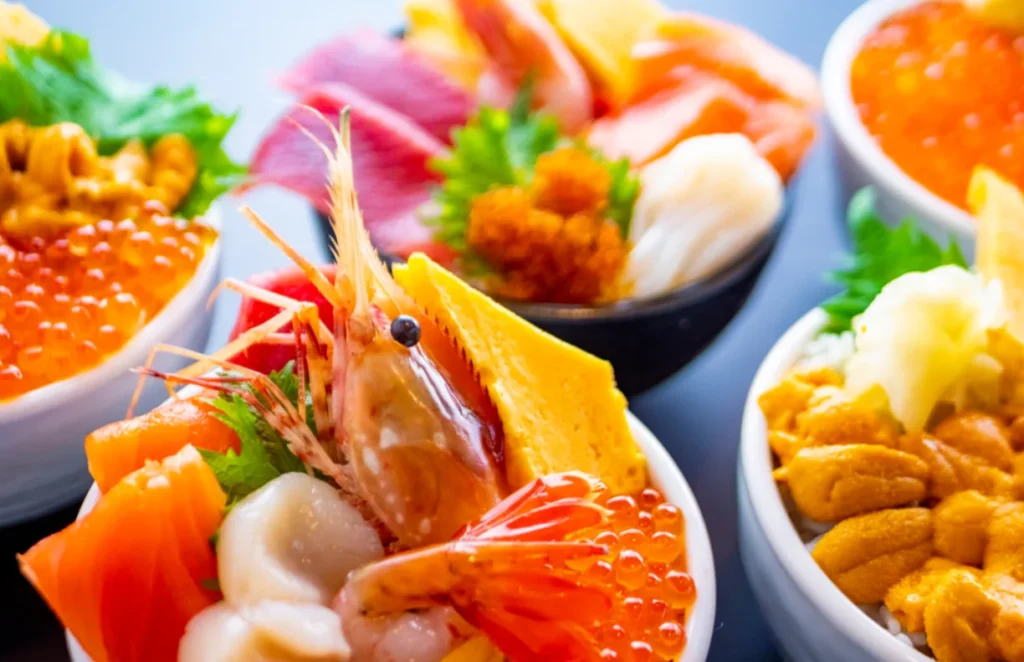
    seasonal seafood in hokkaido

    Seasonality is an important part of understanding Hokkaido seafood.

    Different species become more prominent at different times of year, meaning the seafood experience can change depending on when you visit.

    Spring seafood

    Spring can bring a transition toward different varieties of seafood as conditions change.

    Travelers visiting during this period may encounter seasonal offerings that are not as prominent during the colder months.

    Summer seafood

    Summer can be an appealing time for seafood-focused travel, particularly when combined with Hokkaido’s agricultural produce.

    Markets and restaurants may feature fresh seasonal ingredients alongside locally grown vegetables.

    Autumn seafood

    Autumn is an important season for several northern seafood traditions.

    Salmon and other marine products can become particularly prominent, while the island’s agricultural harvest adds additional variety to local meals.

    Winter seafood

    Winter is closely associated with several rich and hearty seafood experiences.

    Crab and other seafood can be particularly appealing when served warm, including in hot pots and other dishes suited to cold weather.

    How Seafood Is Prepared in Hokkaido

    One of the most interesting aspects of Hokkaido cuisine is the range of preparation methods.

    Sashimi

    Fresh seafood can be served raw as sashimi, allowing the natural texture and flavor of the ingredient to remain the focus.

    Sashimi is often accompanied by soy sauce, wasabi, and garnishes.

    Grilled seafood

    Grilling can add a smoky flavor while retaining the natural characteristics of the seafood.

    Scallops, salmon, squid, and other ingredients can all be prepared this way.

    Hot pots

    Hot-pot dishes are particularly appealing during colder seasons.

    Seafood can be combined with vegetables, mushrooms, tofu, and broth to create a warming shared meal.

    Sushi and seafood rice bowls

    Sushi provides another way to experience Hokkaido ingredients.

    Seafood rice bowls can also combine several ingredients in one meal, making them a convenient option for travelers who want to sample multiple types of seafood at once.

    Seafood Markets and Local Food Experiences

    Food markets can be an excellent way to experience Hokkaido’s seafood culture.

    Rather than simply visiting a restaurant, travelers can see fresh ingredients, observe how seafood is displayed, and discover products they may not encounter elsewhere.

    Start with local markets

    Markets can offer a wide range of seafood alongside vegetables, prepared foods, snacks, and other regional products.

    They are particularly useful for travelers who want to sample several ingredients during a single visit.

    Look beyond familiar seafood

    International visitors may naturally search for salmon, crab, or shrimp.

    However, local markets can introduce travelers to less familiar fish and shellfish.

    Asking vendors about seasonal recommendations can be a good way to discover something new.

    Hokkaido Seafood in Sapporo

    Although Sapporo is not a coastal city, it plays an important role in showcasing seafood from throughout Hokkaido.

    The city’s restaurants and food markets bring together ingredients from different parts of the island.

    This makes Sapporo a convenient destination for travelers who want to experience Hokkaido seafood without traveling to multiple coastal towns.

    Seafood bowls

    Seafood bowls are a popular way to combine several regional ingredients in one meal.

    A single bowl may include salmon, scallops, shrimp, sea urchin, salmon roe, or other seasonal seafood.

    Refined seafood dining

    Hokkaido ingredients can also be incorporated into more sophisticated dining experiences.

    Restaurants may focus on seasonal sourcing, careful presentation, and preparation methods that highlight the natural characteristics of the seafood.

    Travelers interested in the broader culinary traditions behind these ingredients can explore this hokkaido food culture resource for additional context.

    Pairing Seafood With Local Ingredients

    Hokkaido’s seafood does not exist independently from its agricultural food culture.

    The island’s vegetables, rice, dairy products, and other ingredients can complement seafood in different dishes.

    Seafood and vegetables

    Root vegetables, mushrooms, corn, and seasonal greens can be combined with seafood in soups, hot pots, and grilled dishes.

    This creates meals that reflect both sides of Hokkaido’s food production.

    Seafood and rice

    Rice provides a natural base for many seafood preparations.

    From sushi and rice bowls to grilled fish served with steamed rice, the combination remains an important part of Japanese dining.

    How Travelers Can Explore Hokkaido Seafood

    A seafood-focused trip does not have to revolve around expensive meals.

    There are many ways to experience regional ingredients at different price points.

    Try casual dishes

    Ramen, rice bowls, grilled seafood, and market foods can provide accessible introductions to local ingredients.

    Compare preparations

    If you particularly enjoy an ingredient, try it in more than one preparation.

    For example, scallops can be compared raw, grilled, or incorporated into a hot-pot dish.

    Ask about seasonal specialties

    Menus can change according to availability.

    Asking staff which seafood is currently in season can lead to a more authentic regional experience.

    Responsible Seafood Enjoyment

    Travelers should also recognize that seafood depends on marine ecosystems and responsible fishing practices.

    Availability can change according to environmental conditions, fishing regulations, and seasonal restrictions.

    Rather than expecting every ingredient to be available year-round, travelers can appreciate the idea of eating according to season.

    This approach is consistent with the broader Japanese appreciation for seasonal ingredients.

    Final Thoughts

    Hokkaido seafood reflects the island’s geography, climate, fishing traditions, and relationship with seasonal food.

    Crab, scallops, sea urchin, salmon, shrimp, and many other marine ingredients have become important parts of the region’s culinary identity.

    For travelers, the experience becomes even more interesting when seafood is explored through different preparation methods and combined with Hokkaido’s agricultural ingredients.

    Sapporo provides a convenient starting point because the city’s restaurants and markets bring together seafood from across the island.

    Whether you choose a casual market meal, a seafood rice bowl, freshly prepared sashimi, or a refined dining experience, exploring Hokkaido’s marine ingredients can offer a deeper understanding of the region’s distinctive food culture.
  • Hokkaido Food Culture and Regional Cuisine Guide for Travelers

    Hokkaido Food Culture and Regional Cuisine Guide for Travelers

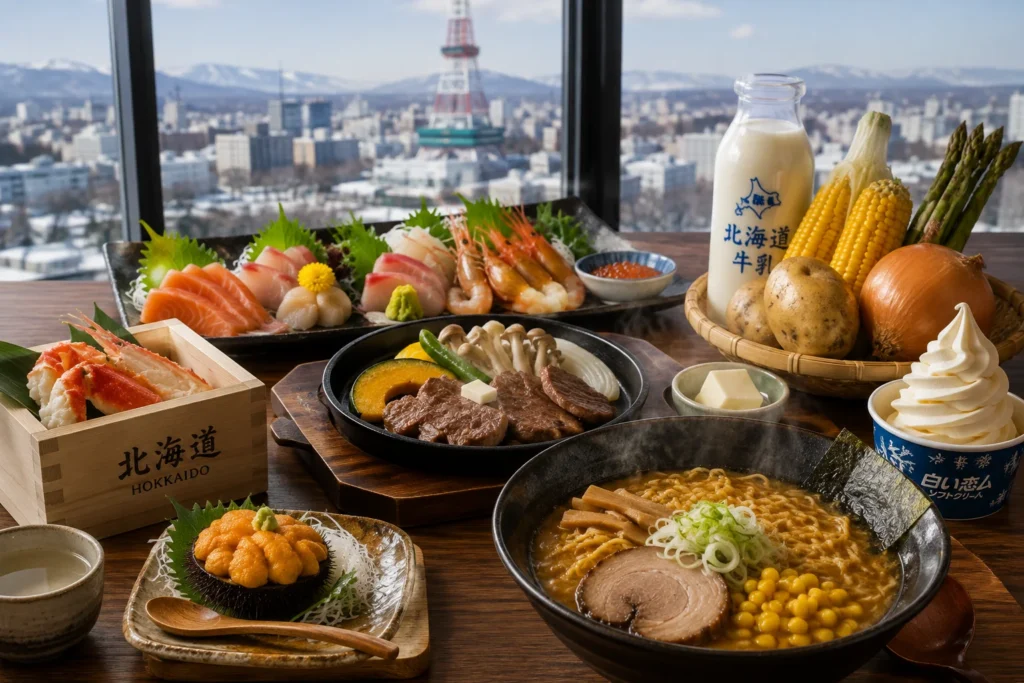
    Hokkaido has a food culture that is closely connected to its geography, climate, agriculture, and surrounding seas. As Japan’s northernmost major island, the region has developed a distinctive culinary identity built around seafood, dairy products, agricultural ingredients, and hearty dishes suited to its colder climate.

    For travelers, exploring Hokkaido through food offers a way to understand the region beyond its landscapes and cities. Ingredients that may seem familiar can take on a different character when produced locally, while regional dishes reflect the history and lifestyle of the communities that developed them.

    Sapporo plays an important role in this culinary landscape. As Hokkaido’s largest city, it brings together ingredients and food traditions from across the island, making it a convenient place to discover the diversity of Hokkaido cuisine.

    What Makes Hokkaido Food Culture Unique

    Hokkaido’s food culture has been shaped by its natural environment.

    The island has extensive agricultural land, productive fishing grounds, and a climate that supports different types of crops and livestock.

    The influence of the sea

    Hokkaido is surrounded by productive waters, making seafood one of the defining elements of its cuisine.

    Depending on the season and region, travelers may encounter crab, scallops, salmon, sea urchin, shrimp, squid, and other varieties of seafood.

    The ingredients can appear in simple preparations as well as more elaborate dishes.

    The influence of the land

    Hokkaido is also an important agricultural region.

    Potatoes, corn, wheat, vegetables, dairy products, and other ingredients contribute to the island’s culinary identity.

    This combination of agricultural and marine products gives Hokkaido cuisine considerable variety.

    Seafood in Hokkaido Cuisine

    fresh seafood in hokkaido cuisine

    Seafood is among the most recognizable aspects of Hokkaido food culture.

    The island’s cold surrounding waters support a wide variety of marine life, while different coastal areas have developed their own specialties.

    Crab

    Crab is strongly associated with Hokkaido and can be enjoyed in several forms.

    Depending on the variety and season, it may be served steamed, grilled, in hot pots, or incorporated into other dishes.

    For travelers, crab can be an opportunity to experience the richness of Hokkaido seafood without relying on heavily seasoned preparations.

    Sea urchin

    Sea urchin is another ingredient that attracts food-focused travelers.

    Fresh uni is often appreciated for its creamy texture and delicate sweetness.

    Its availability and quality can vary according to season and location, making timing an important consideration for visitors interested in trying it.

    Scallops

    Hokkaido scallops are valued for their texture and natural sweetness.

    They can be served raw, grilled, seared, or incorporated into rice and other regional dishes.

    Because scallops can be prepared in different ways, they are accessible to travelers who want to explore seafood without limiting themselves to sashimi.

    Salmon

    Salmon has an important place in northern Japanese food culture.

    It can appear in grilled dishes, rice preparations, soups, and other regional meals.

    Its versatility makes it one of the easier Hokkaido ingredients for international travelers to encounter.

    Hokkaido’s Agricultural Food Culture

    hokkaido agricultural food products

    Hokkaido’s culinary identity would not be complete without its agricultural products.

    The island’s spacious farmland supports a wide range of crops and livestock.

    Potatoes

    Potatoes are among Hokkaido’s best-known agricultural products.

    They can be used in traditional Japanese dishes as well as contemporary cuisine.

    Their presence can also be seen in snacks and regional food products designed for visitors.

    Corn and vegetables

    Hokkaido produces a variety of vegetables, including corn, onions, pumpkins, and other seasonal produce.

    Fresh vegetables can appear in restaurants throughout the island, particularly during their peak seasons.

    Corn is especially associated with summer and can be enjoyed simply grilled or prepared in other dishes.

    Wheat

    Wheat production also contributes to the region’s food culture.

    It plays an important role in bread, noodles, baked goods, and other foods.

    The availability of local agricultural ingredients has helped create a food culture that extends far beyond seafood.

    Dairy Products and Hokkaido Cuisine

    hokkaido dairy products and desserts

    Hokkaido is widely associated with dairy farming.

    The region’s dairy products appear in both everyday foods and specialty items.

    Milk and cream

    Fresh milk and cream are commonly used in desserts, drinks, sauces, and other dishes.

    Travelers may notice that dairy products appear frequently on menus and in food shops.

    Cheese and butter

    Cheese and butter are also important parts of Hokkaido’s agricultural food culture.

    They can be used in Western-style dishes as well as Japanese interpretations of familiar foods.

    Hokkaido desserts

    Dairy products contribute to the island’s strong dessert culture.

    Soft-serve ice cream, puddings, cakes, and other sweets are popular with both locals and visitors.

    Trying dairy-based desserts can be an easy way to experience Hokkaido’s agricultural identity without committing to a large meal.

    Sapporo’s Role in Hokkaido Food Culture

    Sapporo acts as an important culinary hub for the region.

    Because people, ingredients, and food traditions from different parts of Hokkaido converge in the city, travelers can experience a broad selection of regional cuisine without traveling to every corner of the island.

    A meeting point for regional ingredients

    Restaurants and food markets in Sapporo can showcase seafood from coastal areas and agricultural products from throughout Hokkaido.

    This makes the city particularly convenient for visitors with limited time.

    Local dishes with a Sapporo identity

    Sapporo has also developed dishes and food styles that have become closely associated with the city.

    Miso ramen and soup curry are two examples of foods that have developed strong connections with Sapporo’s culinary identity.

    These dishes demonstrate how Hokkaido ingredients and local preferences can combine to create food traditions that feel distinctly regional.

    Soup Curry and Sapporo’s Food Identity

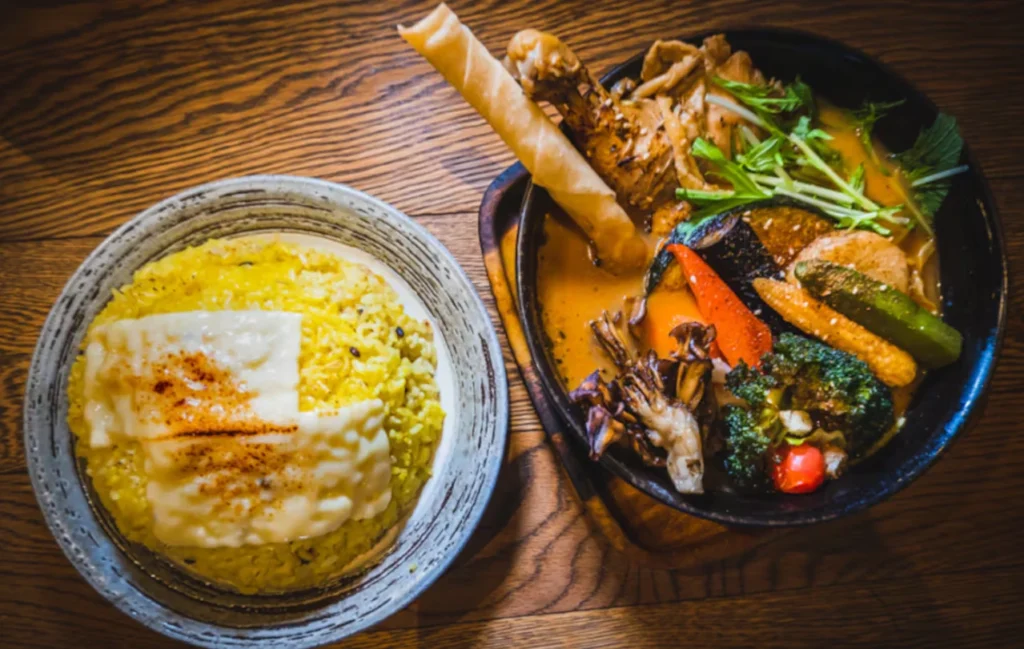
    Soup curry is one of the dishes strongly associated with Sapporo.

    Unlike the thicker curry styles commonly encountered elsewhere in Japan, soup curry features a lighter, more aromatic broth with vegetables, meat, seafood, or other ingredients.

    A flexible regional dish

    One appealing aspect of soup curry is its variety.

    Restaurants can offer different combinations of protein, vegetables, spice levels, and broth styles.

    This gives travelers the opportunity to try several interpretations of the same basic dish.

    Why it suits Hokkaido

    The warm, aromatic nature of soup curry makes it particularly appealing during colder months.

    For travelers visiting Sapporo in winter, it can provide a satisfying meal after spending time outdoors.

    Sapporo-Style Miso Ramen

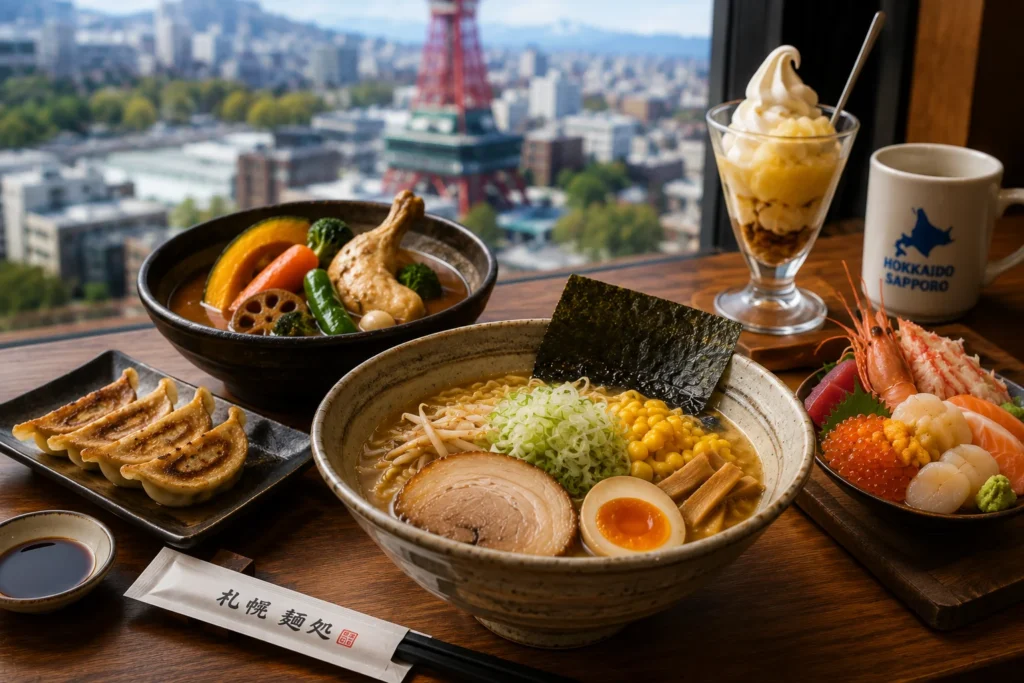
    sapporo soup curry and miso ramen

    Ramen is another major part of Sapporo’s culinary identity.

    Sapporo-style miso ramen is generally associated with a rich broth, noodles, and toppings that create a hearty meal.

    A cold-weather favorite

    The warmth and richness of miso ramen make it especially suitable for Hokkaido’s colder climate.

    Visitors walking through snowy Sapporo can easily understand why hearty noodle dishes have become so popular in the region.

    Ramen as a regional experience

    Japan has many regional ramen traditions, and trying Sapporo-style ramen allows travelers to compare Hokkaido’s approach with ramen from other parts of the country.

    This is one example of how regional differences make food an important part of traveling through Japan.

    Seasonal Food in Hokkaido

    seasonal foods and ingredients in hokkaido

    Seasonality plays an important role in Hokkaido’s food culture.

    Different ingredients become more prominent throughout the year, giving travelers reasons to return during different seasons.

    Spring

    Spring brings new vegetables and other seasonal ingredients.

    As temperatures become milder, lighter dishes and fresh produce can become more prominent.

    Summer

    Summer is an excellent time for fresh agricultural products.

    Corn, vegetables, seafood, and other seasonal ingredients can appear in markets and restaurants.

    Summer is also an enjoyable season for exploring food markets and outdoor food events.

    Autumn

    Autumn is associated with harvest season.

    Potatoes, pumpkins, mushrooms, seafood, and other ingredients can become particularly prominent.

    For travelers interested in agricultural food culture, autumn can provide an especially interesting perspective on Hokkaido.

    Winter

    Winter changes both the environment and the types of food travelers may seek.

    Warm soups, ramen, hot pots, seafood, and other hearty dishes become particularly appealing.

    The contrast between cold outdoor temperatures and warm meals is an important part of the seasonal dining experience.

    Experiencing Hokkaido Food at Different Levels

    Travelers do not need to choose only one type of dining experience.

    Hokkaido cuisine can be explored through casual meals, markets, cafés, traditional establishments, and refined restaurants.

    Casual local food

    Casual restaurants can be an excellent way to experience everyday dishes.

    Ramen shops, curry restaurants, cafés, and neighborhood establishments can offer approachable meals without requiring a long dining experience.

    Markets and food halls

    Markets can provide an opportunity to see different ingredients in one place.

    Travelers can observe seafood, produce, snacks, sweets, and prepared foods while getting a better sense of the region’s culinary diversity.

    Refined dining

    For a more elaborate experience, travelers can explore restaurants that emphasize seasonal ingredients, presentation, and attentive service.

    These experiences can demonstrate how Hokkaido ingredients are transformed into more sophisticated dishes.

    Visitors looking for a refined meal in the city can also consider a sapporo restaurant that highlights regional ingredients and contemporary Japanese dining.

    How to Explore Hokkaido Food as a Traveler

    A food-focused trip does not require an itinerary built entirely around restaurants.

    Start with regional specialties

    Identify several foods that are strongly connected to Hokkaido and try them during the trip.

    This might include seafood, soup curry, miso ramen, dairy desserts, or seasonal agricultural products.

    Compare different preparations

    The same ingredient can taste completely different depending on how it is prepared.

    Scallops, for example, can be enjoyed raw, grilled, or incorporated into other dishes.

    Trying several preparations can provide a better understanding of the ingredient itself.

    Visit local food markets

    Markets can be useful for travelers who want to discover unfamiliar ingredients without committing to a full restaurant meal.

    They can also provide opportunities to try smaller portions and regional snacks.

    Hokkaido Food Culture Beyond Sapporo

    Although Sapporo is an important culinary center, Hokkaido’s food culture extends far beyond the city.

    Coastal communities have their own seafood traditions, agricultural regions produce distinctive crops, and rural areas can offer different approaches to dairy and meat.

    Travelers with more time can explore different parts of the island to see how geography influences local cuisine.

    Coastal food traditions

    Coastal destinations can offer particularly strong connections to seafood.

    Visiting these areas can provide a different perspective from dining in a major city, where ingredients from throughout the region are brought together.

    Agricultural regions

    Rural Hokkaido provides opportunities to understand the relationship between farming and food.

    Travelers may encounter farm shops, local produce, dairy products, and regional specialties that are less visible in large urban centers.

    Food as a Way to Understand Hokkaido

    One of the most rewarding aspects of regional cuisine is that food can tell a story about a place.

    Hokkaido’s seafood reflects its surrounding waters. Its dairy products and vegetables reflect the importance of agriculture. Its hearty dishes reflect the need for satisfying meals during cold winters.

    The result is a cuisine shaped by both natural resources and human adaptation.

    For visitors, paying attention to these connections can make each meal more meaningful.

    Tips for Enjoying Hokkaido Cuisine

    A few practical considerations can help travelers get more from their food experiences.

    Be open to unfamiliar ingredients

    Some Hokkaido specialties may be unfamiliar to international visitors.

    Trying something new can be one of the most memorable parts of a food-focused trip.

    Ask about seasonal recommendations

    Restaurant staff can often suggest ingredients that are particularly good at the time of your visit.

    Seasonal recommendations may lead to dishes that are not immediately obvious from a standard menu.

    Balance rich and light meals

    Hokkaido has many hearty dishes, particularly during colder months.

    Travelers can balance richer meals with seafood, vegetables, lighter dishes, and fresh produce throughout the trip.

    Do not focus only on famous foods

    Well-known specialties are useful starting points, but smaller local dishes can sometimes provide a more personal experience.

    Leaving some space for spontaneous discoveries can make the food journey more interesting.

    Planning a Food-Focused Hokkaido Trip

    Travelers interested in food can build an itinerary around different culinary experiences without making the entire trip feel like a restaurant tour.

    A morning market visit could be followed by sightseeing, an afternoon café stop, and a regional dinner.

    Another day might focus on agricultural products or local sweets before finishing with a hearty bowl of ramen.

    This approach allows food to complement the wider travel experience.

    Final Thoughts

    Hokkaido’s food culture reflects the island’s relationship with the sea, land, climate, and changing seasons.

    Seafood, vegetables, wheat, dairy products, and regional dishes such as soup curry and Sapporo-style miso ramen have all contributed to a culinary identity that is distinctly northern Japanese.

    Sapporo provides one of the easiest places for travelers to experience this diversity because ingredients and food traditions from across Hokkaido converge in the city.

    However, the deeper appeal lies in exploring how food changes between seasons and regions. Whether enjoying fresh seafood, local dairy products, a casual bowl of ramen, or a carefully prepared seasonal meal, travelers can use food as a way to understand Hokkaido more closely.

    For anyone visiting Japan, exploring Hokkaido through its cuisine can turn ordinary meals into an important part of the travel experience.

    Frequently Asked Questions

    What food is Hokkaido best known for?

    Hokkaido is particularly known for seafood, dairy products, agricultural ingredients, soup curry, Sapporo-style miso ramen, and a variety of regional specialties.

    Why is Hokkaido famous for seafood?

    The island is surrounded by productive waters that support a wide range of marine life. Its cold-water environment contributes to the variety of seafood available throughout the region.

    What food is Sapporo known for?

    Sapporo is strongly associated with miso ramen and soup curry. The city also offers extensive access to Hokkaido seafood, dairy products, vegetables, and other regional ingredients.

    What is the best season for Hokkaido food?

    Every season offers different ingredients. Summer is excellent for fresh produce, autumn highlights harvest ingredients, and winter is particularly appealing for seafood and warming dishes.

    Can I experience Hokkaido cuisine without leaving Sapporo?

    Yes. Sapporo brings together ingredients and culinary traditions from across Hokkaido, making it possible to experience a broad selection of regional food within the city.

  • Magia 2 Yacht: What Happens to Your Body During a Week of Diving—and How Should You Recover?

    Magia 2 Yacht: What Happens to Your Body During a Week of Diving—and How Should You Recover?

    A week of diving can be one of the most rewarding ways to explore Indonesia, but several days of early starts, repeated dives, time in the sun, and physical activity can also leave travelers feeling tired. Choosing the right environment for rest between adventures matters, and a private journey aboard the Magia 2 yacht can make a difference.

    Whether you are exploring Komodo or heading to Raja Ampat, a liveaboard journey creates a rhythm unlike that of a typical beach holiday. Your days may include diving, swimming, snorkeling, island exploration, and hours spent outdoors. The key is not simply to fit as much as possible into the itinerary. It is also to give your body enough time to rest, eat, hydrate, and reset between experiences.

    What Can a Week of Diving Feel Like?

    Diving is not necessarily exhausting, but several consecutive days in the water can add up. Carrying equipment, swimming, managing currents, climbing ladders, exposure to sun and heat, and waking up early can all contribute to physical and mental fatigue.

    The number of dives can also be significant on a dedicated liveaboard itinerary. For example, Scubaspa Indonesia offers seven-night packages with up to 19 dives, while longer 12-night itineraries can include up to 30 dives depending on the selected package and conditions.

    That does not mean every diver will react in the same way. Fitness, experience, water conditions, sleep, diet, itinerary pace, and individual health can all influence how someone feels during a trip.

    For this reason, a successful week at sea should include more than underwater time. A well-designed yacht Indonesia experience should also leave room for quiet mornings, proper meals, time in the shade, and unstructured moments when guests can simply relax.

    Why Does Hydration Matter So Much During a Diving Trip?

    Warm weather, sun exposure, physical activity, and wearing exposure protection can all contribute to fluid loss. Divers Alert Network notes that dehydration can occur when the body uses more fluid than it takes in and highlights fatigue, dizziness, thirst, confusion, flushed skin, and muscle cramps as possible signs.

    The simple lesson is to stay hydrated throughout the day rather than waiting until you feel extremely thirsty.

    On a week-long trip, it can be helpful to make drinking water part of your daily routine: after waking up, between activities, with meals, and after spending time in the sun. DAN also recommends making water readily available to divers, especially when diving in hot, humid environments.

    Hydration is not about chasing a specific amount of water that works for everyone. Individual needs can vary according to climate, activity level, and personal factors. Instead, travelers should stay attentive to how they feel and follow guidance from qualified professionals when necessary.

    Sleep Is Part of the Itinerary, Too

    It can be tempting to treat every evening on a liveaboard as another opportunity for activity. After all, you are surrounded by dramatic islands, clear water, and open skies. However, a full week of diving can make quality sleep increasingly important.

    Rest gives travelers time away from the physical and mental demands of the day. DAN advises divers on liveaboards to focus on healthy habits, including hydration and sensible nutrition, and notes that intense exercise is not recommended in the hours immediately before or after a dive.

    This is where the design of the trip itself becomes relevant. A comfortable cabin, quiet social spaces, shaded outdoor areas, and enough personal space can all support a more balanced experience.

    The Magia 2 yacht was built in 2019 and measures 26 meters, with four cabins, spacious relaxation areas, and facilities for activities including diving, snorkeling, kayaking, paddleboarding, and more. Her itineraries can be tailored around destinations such as Komodo and Raja Ampat, allowing travelers to balance active days with slower moments on board.

    Should You Fill Every Hour With Activity?

    Not necessarily.

    One of the overlooked advantages of a private yacht journey is flexibility. A yacht charter in Indonesia does not have to follow the same pace every day. Conditions, energy levels, and personal preferences can help shape the rhythm of the trip.

    After several days of diving, guests may prefer to skip an additional activity and spend the afternoon reading on deck, enjoying a long meal, taking a gentle swim, or simply watching the islands pass by.

    This is especially valuable for groups where not everyone has the same idea of a perfect holiday. One guest may want to spend as much time underwater as possible, while another may prefer snorkeling, photography, paddleboarding, or complete relaxation.

    The best itineraries leave room for both.

    Food and Recovery: Fueling the Journey

    Food is another important part of maintaining energy during an active week at sea. DAN recommends sensible food choices and notes that hydration and nutrition can both influence how energized a diver feels.

    A practical approach is to eat regular, balanced meals and avoid viewing food merely as something to fit between dives. A proper meal can become part of the recovery rhythm: pause, eat, hydrate, and give yourself time before moving on to the next activity.

    On Magia 2, the onboard experience is designed around relaxed cruising and alfresco dining, with Asian fusion and Western cuisine available during the journey.

    For guests planning a Komodo yacht charter, this combination of activity and downtime can be particularly appealing. The destination offers plenty to do, from underwater exploration to island landscapes and wildlife encounters, but a memorable trip does not require constant movement.

    The Importance of Listening to Your Body

    Perhaps the most important recovery strategy is also the simplest: do not ignore how you feel.

    Fatigue after a busy day may simply mean it is time to rest. However, unusual or worsening symptoms should not be dismissed. Diving involves specific safety considerations, and anyone who feels unwell or is unsure about their ability to continue diving should speak with an appropriately qualified dive professional or medical professional.

    DAN also emphasizes that acute illness can affect diving readiness and that divers should consider medical guidance before returning to the water when health concerns are involved.

    A week of diving should never become a competition to collect the highest possible number of dives. Sometimes, skipping one activity and enjoying a slower afternoon can be the better choice for the rest of the journey.

    A Better Way to Experience Indonesia’s Waters

    The beauty of a private voyage is that recovery does not need to happen after the holiday. It can be built into the holiday itself.

    With space to relax, personalized itineraries, and the freedom to combine diving with slower experiences, the Magia 2 yacht offers a different rhythm for exploring Indonesia. One day might involve several hours underwater; the next might begin slowly with breakfast on deck before cruising towards another island.

    For travelers looking beyond a standard luxury yacht charter in Indonesia, that balance can be one of the most valuable parts of the experience.

    Indonesia’s islands reward curiosity, but they do not need to be rushed. Dive when conditions and energy levels are right, drink enough water, enjoy nourishing meals, sleep well, and leave space for doing nothing at all. Sometimes, recovery is not separate from the adventure. It is what allows you to enjoy the rest of it.

  • 日本で家族旅行におすすめのホテル選びガイド

    日本で家族旅行におすすめのホテル選びガイド

    日本は四季折々の美しい景色や多彩な観光スポット、美味しいグルメが楽しめる旅行先として、多くの家族旅行者に人気があります。小さなお子様連れの旅行から三世代での旅行まで、快適に過ごせるホテルを選ぶことは、思い出に残る旅を実現するための大切なポイントです。

    家族向けホテルでは、広々とした客室や充実した館内施設、子ども向けサービスなどが用意されていることが多く、移動や観光で疲れた後もゆったりと過ごせます。また、観光地へのアクセスが良いホテルを選ぶことで、限られた旅行時間を有効に活用できるのも大きな魅力です。

    家族旅行に適したホテルとは

    広々としたファミリー向けホテル客室

    家族旅行では、大人だけの旅行とは異なり、宿泊施設に求める条件も変わります。客室の広さはもちろん、添い寝ができるベッドやベビーベッドの貸し出し、ランドリー設備、キッズスペースなど、家族全員が快適に過ごせる環境が整っているかを確認することが重要です。

    さらに、朝食ビュッフェやレストランのメニューが充実しているホテルであれば、年齢を問わず食事を楽しめます。ホテル内で過ごす時間も旅行の一部として楽しめるため、サービスや設備を比較しながら選ぶことがおすすめです。

    子ども連れでも安心して宿泊できるポイント

    小さなお子様と一緒に旅行する場合は、安全性や利便性も重要になります。エレベーターへのアクセス、館内のバリアフリー設計、禁煙ルームの有無などを事前に確認しておくことで、滞在中も安心して過ごすことができます。また、フロントスタッフによるきめ細かなサポートや、多言語対応のサービスがあるホテルは、海外から訪れる旅行者にも人気があります。

    ホテルによっては、ファミリールームやコネクティングルームを用意しているところもあり、家族全員が同じ空間で快適に過ごせます。旅行の目的や人数に合わせて宿泊プランを選ぶことで、日本での家族旅行をより充実したものにできるでしょう。

    ホテル選びでチェックしたい設備とサービス

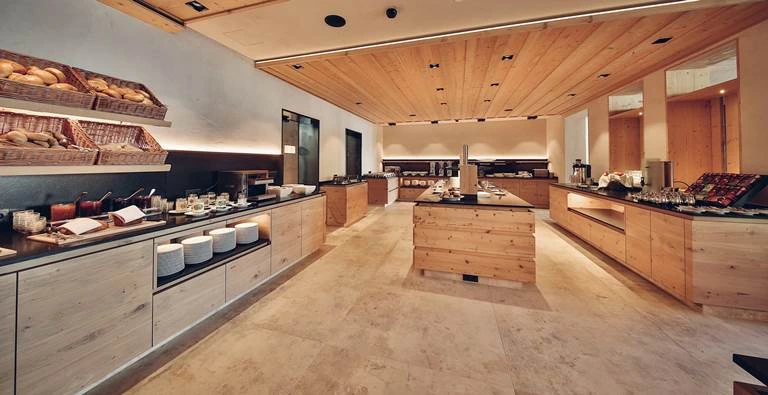
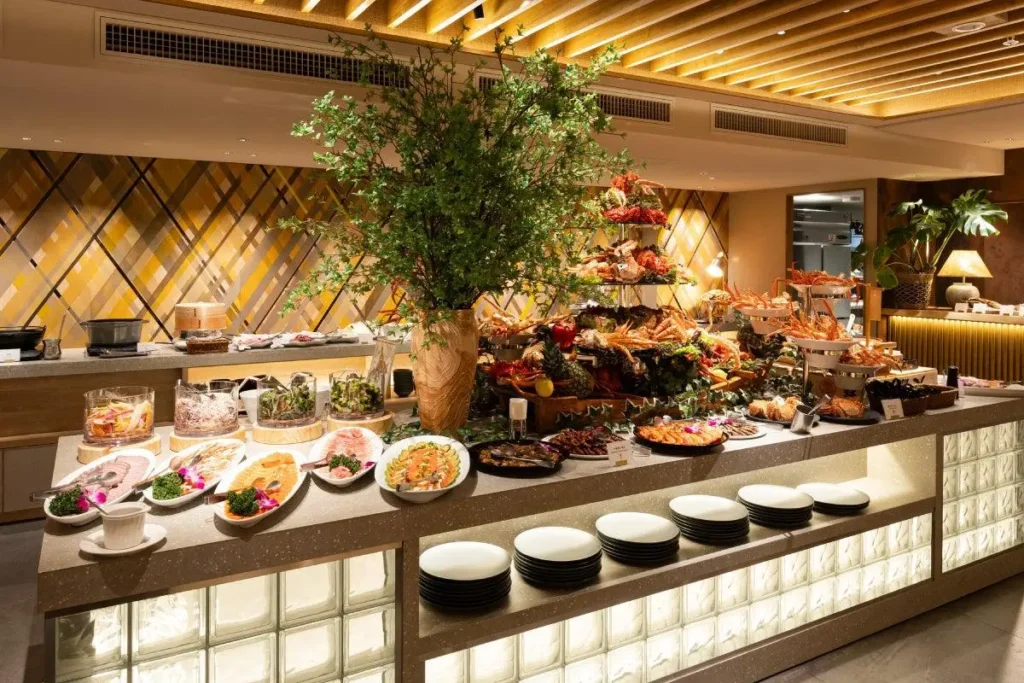
    家族で楽しむホテルの朝食ビュッフェ

    家族旅行では、ホテルの設備やサービスも快適な滞在を左右する重要な要素です。広いロビーやゆったりとしたラウンジ、コインランドリー、電子レンジなどの設備があるホテルは、小さなお子様連れの旅行でも便利に利用できます。また、館内レストランや売店が充実しているホテルなら、外出せずに食事や買い物を済ませられるため、移動の負担を軽減できます。

    観光を中心に楽しみたい場合は、駅や主要観光スポットへのアクセスも確認しておきましょう。移動時間を短縮できれば、その分だけ観光やホテルで過ごす時間を有効に活用できます。家族全員が無理なく過ごせる環境を選ぶことが、満足度の高い旅行につながります。

    年代を問わず楽しめるホテルステイ

    家族旅行では、お子様だけでなく大人やシニア世代も快適に過ごせるホテルを選ぶことが大切です。広々とした客室やリラックスできる共有スペース、景色を楽しめるラウンジなどがあるホテルでは、それぞれが自分のペースで滞在を満喫できます。

    ホテルによっては、季節限定のイベントやファミリー向けアクティビティを開催している場合もあります。館内で過ごす時間そのものが思い出になるため、宿泊先を選ぶ際には客室だけでなく、ホテル全体の雰囲気やサービス内容にも注目してみるとよいでしょう。

    あわせて読みたい:日本でおすすめのレストランガイド|旅行で訪れたい人気スポット

    旅行をさらに充実させるための準備

    ホテル選びとあわせて、旅行先で楽しめるレストランやご当地グルメについても事前に調べておくことで、家族旅行の満足度はさらに高まります。食事の選択肢が豊富であれば、お子様から大人までそれぞれの好みに合わせた食事を楽しめるだけでなく、日本ならではの食文化にも触れることができます。宿泊とグルメの両方を計画することで、思い出に残る充実した旅行を実現できるでしょう。

    家族全員が笑顔になれるホテル選びを

    日本には、それぞれ異なる魅力を持つファミリー向けホテルが数多くあります。広々とした客室や充実した館内施設、観光地へのアクセスの良さなど、ホテルごとに特徴はさまざまです。旅行の目的や滞在日数、家族構成に合わせて最適なホテルを選ぶことで、大人も子どもも快適に過ごせる思い出深い旅行になるでしょう。

    また、ホテルで過ごす時間を旅の楽しみの一つとして考えることで、より充実した旅行プランを立てることができます。朝食をゆっくり味わったり、ラウンジでくつろいだり、館内施設を利用したりすることで、観光だけでは味わえないホテルステイならではの魅力を満喫できます。

    旅行前に準備しておきたいポイント

    • 宿泊人数に合った客室タイプを選ぶ。
    • ホテル周辺の観光スポットやアクセスを確認する。
    • 朝食やレストランの営業時間を事前にチェックする。
    • お子様向けサービスや館内設備を比較する。
    • 繁忙期は早めに宿泊予約を行う。

    まとめ

    家族旅行では、ホテルは単なる宿泊施設ではなく、旅の思い出をより豊かにする大切な場所です。快適な客室や充実したサービス、便利な立地などを総合的に比較することで、家族全員が安心して滞在できるホテルを見つけることができます。旅行前にしっかりと情報を集め、自分たちにぴったりのホテルを選ぶことで、日本での家族旅行をより楽しく、心に残る素晴らしい体験にしてみてはいかがでしょうか。

  • Escape the Crowds: Hidden Beaches in Nusa Lembongan Near the Best Nusa Lembongan Accommodation

    Escape the Crowds: Hidden Beaches in Nusa Lembongan Near the Best Nusa Lembongan Accommodation

    When most travellers think about island life, they imagine famous beaches packed with sunseekers and cafés. But if you’re searching for a quieter experience, the real magic lies beyond the popular shoreline. Staying in the right Nusa Lembongan accommodation gives you easy access to secluded coves, peaceful viewpoints, and untouched stretches of sand that many visitors never discover. Whether you’re planning a romantic escape, a family holiday, or simply looking to reconnect with nature, these hidden beaches reveal another side of the island that feels wonderfully authentic.

    Unlike the well-known coastal spots, these quiet beaches reward those willing to explore a little further. They offer calm mornings, crystal-clear water, dramatic limestone cliffs, and unforgettable sunsets without the crowds. If you’ve already explored the island’s famous coastline, this guide focuses on the hidden alternatives that locals often recommend.

    For travellers who want a complete overview of the island’s most famous coastlines, it’s worth reading the published guide covering the best beaches before discovering these lesser-known gems.

    Why Explore Hidden Beaches Instead?

    One of the biggest advantages of staying longer on the island is having time to wander beyond the obvious attractions. The quieter beaches provide opportunities to slow down, read a book beneath swaying palms, enjoy uninterrupted photography, or simply listen to the sound of waves.

    These peaceful locations also complement other island experiences. You can spend the morning relaxing by the sea before enjoying yoga in Nusa Lembongan, visiting a local café, or ending the afternoon with a spectacular sunset dinner.

    Many visitors choose these quieter areas because they offer the same stunning scenery while avoiding the busiest parts of the island.

    Secret Beach Spots Worth Discovering

    1. Secret Point Beach

    Hidden near the southwestern coast, Secret Point is better known among experienced surfers than casual visitors. Even if you don’t enter the water, the dramatic reef views and crashing waves make it an incredible place to visit.

    This area is also close to a popular Nusa Lembongan surf spot, making it interesting for those who enjoy watching surfers tackle world-class breaks.

    2. Tamarind Beach Early in the Morning

    Although Tamarind Beach isn’t entirely unknown, arriving shortly after sunrise transforms the experience. Fishing boats gently float offshore while the water remains incredibly calm.

    It becomes one of the best locations for peaceful morning walks before the island fully wakes up.

    3. Mushroom Bay’s Hidden Corners

    Most visitors remain near the center of Mushroom Bay, but walking toward the rocky edges reveals quiet pockets where you may have the shoreline almost entirely to yourself.

    It’s an ideal place to relax after enjoying snorkeling in Nusa Lembongan, as the calm atmosphere feels worlds away from the island’s busier beaches.

    4. Dream Point Cliff Access

    Instead of heading directly to Dream Beach, continue exploring the nearby cliff paths. Small rocky coves appear below dramatic limestone formations, creating spectacular photo opportunities.

    The views are especially rewarding during golden hour when the cliffs glow beneath the afternoon sun.

    5. Sandy Paths Toward Jungut Batu

    Away from the ferry arrival area, several narrow walking paths lead toward tiny beaches rarely marked on tourist maps. These hidden stretches offer excellent sunrise views with very few visitors.

    If you’re planning surfing in Nusa Lembongan, these quieter sections also provide excellent spots to watch local surfers from the shoreline.

    The Best Time to Visit Quiet Beaches

    Timing makes a huge difference.

    The best moments usually include:

    • Early morning, before day-trippers arrive
    • Late afternoon, after the organised tours leave
    • Weekdays outside school holidays
    • Dry season mornings, when visibility is highest

    Many visitors combine these beach visits with Nusa Lembongan diving or a Nusa Lembongan snorkeling tour, making the most of calmer sea conditions.

    Where to Stay for Easy Beach Access

    Choosing the right location can completely change your holiday experience. Staying near quieter neighbourhoods makes it much easier to reach hidden beaches without long scooter rides every day.

    If you’re looking for stylish accommodation close to peaceful coastal areas, explore Lembongan Island beach villas for a collection of carefully selected properties across the island.

    Whether you’re searching for the best villa in Nusa Lembongan, a comfortable villa in Nusa Lembongan, a luxurious villa for rent in Nusa Lembongan, an elegant villa in Nusa Lembongan, Bali, or a spacious villa in Lembongan Island, choosing accommodation near these peaceful beaches allows you to enjoy the island at your own pace. Many travellers also prefer boutique Lembongan Beach villas, a relaxing resort, or Nusa Lembongan family accommodation, depending on their travel style. For many visitors, this quieter side of the island becomes the best place to stay in Nusa Lembongan.

    More Than Beaches: Complete Your Island Escape

    The quieter coastline is only one part of the island experience.

    During your stay, you can also discover:

    • Local Lembongan Island restaurants serving fresh seafood.
    • The best places to eat in Nusa Lembongan after a beach day.
    • Hidden cafés offering the best lunch in Nusa Lembongan.
    • Sunset venues among the best bars in Nusa Lembongan.
    • Relaxation at the best spa in Nusa Lembongan.
    • Work out at a nearby gym in Nusa Lembongan.
    • Experience the island’s best food in Nusa Lembongan beyond tourist hotspots.

    Many couples even choose the island for a beautiful wedding in Nusa Lembongan, taking advantage of its peaceful atmosphere and breathtaking coastal scenery.

    Getting Around the Island

    Reaching these hidden beaches is surprisingly easy.

    Visitors arriving via a private boat to Nusa Lembongan enjoy the most flexible schedule, while many travellers use a regular Nusa Lembongan boat transfer from Bali. Once on the island, renting a scooter or hiring a local driver provides convenient access to smaller roads leading toward secluded beaches.

    Some travellers also extend their journey by spending a night at accommodation on nearby Ceningan Island, allowing them to explore both islands without rushing.

    Why Hidden Beaches Make Your Trip More Memorable

    Popular beaches are popular for good reason, but quieter shores often leave the strongest memories. They offer uninterrupted ocean views, peaceful moments, and a chance to experience island life at a slower rhythm.

    Choosing the right Nusa Lembongan accommodation means these hidden coastal gems become part of your daily adventure rather than destinations squeezed into a busy itinerary. Instead of competing for space on crowded beaches, you’ll discover tranquil corners where the island’s natural beauty truly shines.

    If you’re hoping to experience a more authentic side of Nusa Lembongan, these hidden beaches are the perfect place to begin.

  • 日本でおすすめのレストランガイド|旅行で訪れたい人気スポット

    日本でおすすめのレストランガイド|旅行で訪れたい人気スポット

    日本を旅行する楽しみの一つが、その土地ならではのレストランを訪れることです。伝統的な和食から世界各国の料理まで幅広いジャンルが揃い、それぞれの地域で異なる食文化を体験できます。旅先での食事は、観光と同じくらい思い出に残る大切な時間になります。

    日本 レストラン おすすめを探している方へ向けて、本記事ではレストラン選びのポイントや人気の料理ジャンル、旅行先として人気のエリアなどをわかりやすく紹介します。初めて日本を訪れる方からリピーターまで、幅広い旅行者の参考になる内容をまとめました。

    レストラン選びで大切なポイント

    日本には数え切れないほど多くのレストランがあります。そのため、旅行をより充実させるには、自分の目的や予算に合わせてお店を選ぶことが重要です。事前にいくつかのポイントを確認することで、満足度の高い食事を楽しめます。

    料理ジャンル

    寿司や和食、コース料理など、自分が楽しみたい料理を事前に決めておくとレストラン選びがスムーズになります。

    予算

    リーズナブルなお店から高級レストランまで幅広くあるため、旅行全体の予算に合わせて選ぶことも大切です。

    アクセス

    駅や観光スポットから近いレストランを選ぶことで、移動時間を短縮しながら旅行を楽しめます。

    シーンに合わせたレストラン選び

    旅行の目的によって最適なレストランは異なります。利用シーンに合わせて選ぶことで、より満足度の高い食事を楽しめるでしょう。

    家族旅行

    家族で楽しめるレストラン

    家族で利用する場合は、広めの席や個室を備えたレストランがおすすめです。お子様向けメニューを用意している店舗も多く、安心して食事を楽しめます。

    Read Also: Best Family-Friendly Hotels in Japan

    カップル

    夜景が見えるレストランや落ち着いた雰囲気のダイニングは、記念日やデートにも人気があります。コース料理を楽しめる店舗を選ぶのもおすすめです。

    Read Also: Romantic Places to Visit in Japan

    友人との旅行

    グループ旅行では、地元の人気店やシェアスタイルのレストランが人気です。さまざまな料理を少しずつ楽しめるため、旅の思い出もより豊かになります。

    Read Also: Best Group Travel Ideas in Japan

    ビジネスディナー

    ビジネスシーンでは、落ち着いた雰囲気と質の高いサービスを提供するレストランが選ばれる傾向があります。個室や静かなダイニングスペースを備えた店舗なら、商談や会食も安心して行えます。

    Read Also: Business Travel Guide in Japan

    一人旅

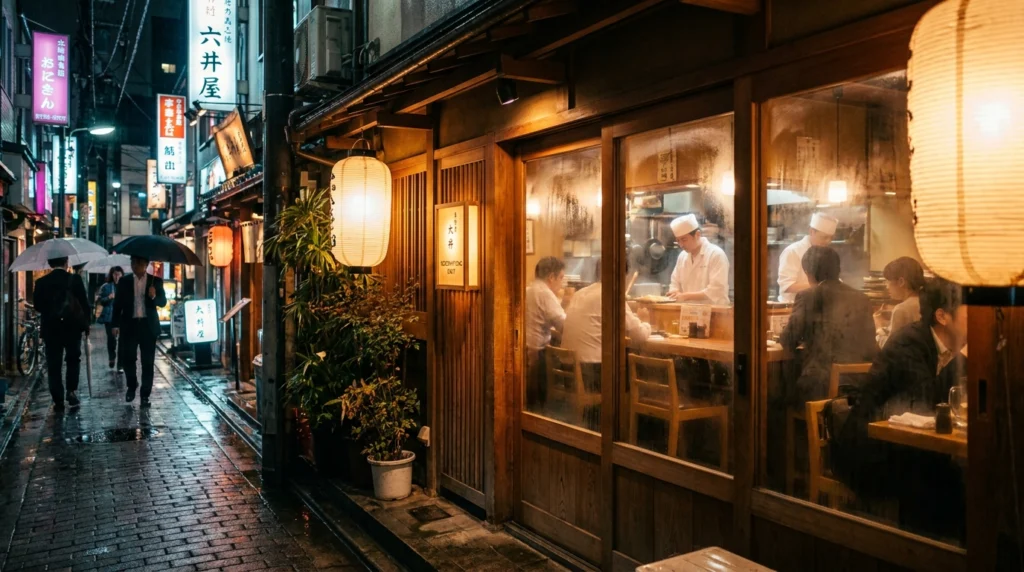
    一人旅では、カウンター席のあるレストランや気軽に利用できるダイニングがおすすめです。シェフとの会話を楽しみながら、その土地ならではの料理を味わえるのも魅力の一つです。

    Read Also: Solo Travel Tips for Japan

    ジャンル別おすすめレストラン

    日本では料理のジャンルごとに異なる魅力があります。旅行先やその日の気分に合わせて選ぶことで、より充実した食体験を楽しめます。

    寿司

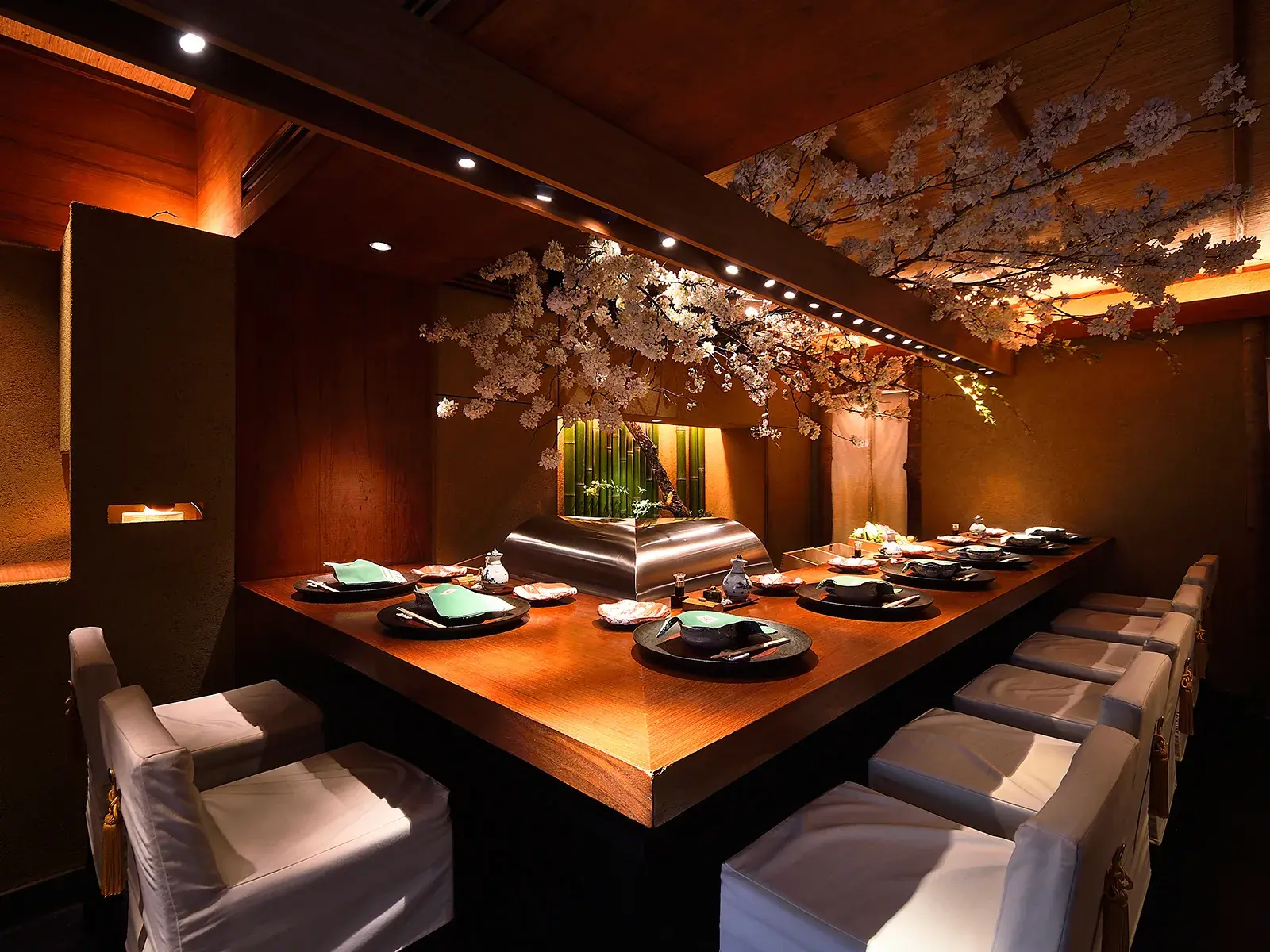
    シェフが握る寿司

    新鮮な魚介類を味わえる寿司店は、日本旅行で外せない人気ジャンルです。カジュアルなお店から職人が握る本格的な店舗まで、幅広い選択肢があります。

    焼肉

    上質な和牛を楽しめる焼肉レストランは、国内外の旅行者から高い人気を集めています。食べ比べコースを提供する店舗も多く、特別なディナーにもおすすめです。

    懐石料理

    季節の食材を活かした懐石料理は、日本ならではの伝統的なコース料理です。一品ずつ丁寧に提供される料理は、味だけでなく美しい盛り付けも楽しめます。

    フレンチ・イタリアン

    日本では地元食材を取り入れたフレンチやイタリアンも人気があります。シェフ独自のアレンジを楽しめるレストランが多く、幅広い年代に支持されています。

    日本各地の人気レストランエリア

    旅行先によって食文化やレストランの特徴は大きく異なります。各エリアならではの魅力を知ることで、自分にぴったりのレストランを見つけやすくなります。

    東京

    東京は世界中の料理が集まるグルメ都市です。ミシュラン掲載店から気軽に立ち寄れるレストランまで幅広く揃い、多様な食体験を楽しめます。

    京都

    京都では伝統的な町家レストランや老舗料亭など、歴史と文化を感じられる食事を楽しめます。落ち着いた雰囲気の中でゆっくり過ごしたい方におすすめです。

    大阪

    大阪には地元グルメを楽しめるレストランが数多くあります。活気ある街並みとともに、多彩な料理を味わえることが大きな魅力です。

    札幌

    札幌の高級レストラン

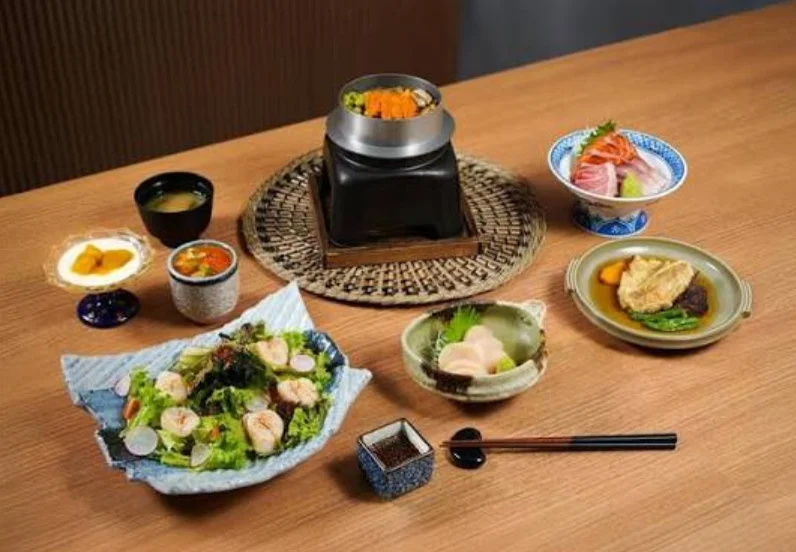
    札幌では新鮮な海鮮や北海道産の食材を活かした料理を楽しめます。落ち着いた雰囲気のダイニングからホテルレストランまで選択肢が豊富で、特別な食事にもぴったりです。

    上質な食体験を求める方は、札幌 高級 レストランとして注目されるダイニングもチェックしてみるとよいでしょう。

    福岡

    福岡は屋台文化だけでなく、洗練されたレストランも充実しています。地元の新鮮な魚介類や九州ならではの食材を使った料理を楽しめます。

    レストラン予約で失敗しないコツ

    人気のレストランは、旅行シーズンや週末になると早い段階で満席になることがあります。希望する日時に利用するためには、できるだけ早めに予約を済ませておくことがおすすめです。また、レストランによって提供されるサービスや利用条件が異なるため、事前に確認しておくと安心です。

    • 予約可能日を事前に確認する
    • 営業時間とラストオーダーをチェックする
    • コース内容や料金を比較する
    • 食物アレルギーがある場合は事前に相談する
    • キャンセルポリシーを確認する

    Traveler’s Notes

    レストラン予約のポイント

    予約は必要ですか?

    人気店や高級レストランでは事前予約がおすすめです。一方で、カジュアルなレストランは当日でも利用できる店舗が多くあります。

    服装に決まりはありますか?

    ほとんどのレストランでは普段着でも利用できますが、高級店ではスマートカジュアルを推奨する場合があります。

    英語メニューはありますか?

    観光地やホテル内のレストランでは、英語メニューを用意している店舗が増えています。翻訳アプリを活用するのもおすすめです。

    ベジタリアン対応のお店はありますか?

    都市部を中心にベジタリアンやヴィーガン向けメニューを提供するレストランが増えています。予約時に確認すると安心です。


    編集部からのアドバイス

    旅行先でレストランを選ぶ際は、有名店だけにこだわる必要はありません。地元の食材を活かした料理や、その地域ならではの雰囲気を楽しめるレストランを選ぶことで、日本旅行はより思い出深いものになります。

    日本 レストラン おすすめを探す際は、料理のジャンルだけでなく、旅行の目的や同行者、訪れるエリアも考慮すると、自分に合った一軒を見つけやすくなります。地域ごとに異なる食文化を楽しみながら、日本ならではの魅力を存分に味わってみてください。

  • Dunia Baru Yacht for Divers and Non-Divers Alike

    Dunia Baru Yacht for Divers and Non-Divers Alike

    The Dunia Baru yacht is a strong choice for mixed travel groups where some guests want underwater adventure, while others prefer relaxed days on deck, calm-sea activities, and refined dining. For travellers from Australia and New Zealand planning a private escape to Indonesia, this balance matters because not everyone in the group needs to be a diver to fully enjoy the journey.

    Why Does Dunia Baru Work for Mixed Travel Groups?

    Group yacht travel often includes different personalities. One person wants to dive every morning. Another wants to read on deck. Someone else wants to kayak before sunset, while others simply want long lunches, ocean views, and time together away from crowded resorts.

    That is where the Dunia Baru yacht works particularly well. At 51 metres, with seven cabins for up to 14 guests and 18 crew, the vessel offers ample space and support services for different holiday rhythms. Divers can follow the underwater schedule, while non-divers can enjoy paddleboarding, kayaking, fishing, dining, or quiet time without feeling left behind.

    For Australian and New Zealand travellers, this makes the yacht appealing for families, couples travelling together, milestone birthdays, and private group holidays. The trip can feel adventurous without becoming too demanding.

    What Makes the Diving Experience Appealing?

    For divers, the vessel’s onboard diving equipment is a major advantage. It allows the itinerary to focus on remote marine areas where reefs, walls, channels, and pelagic encounters can become the highlight of the journey.

    Indonesia is one of the world’s most important marine regions. Raja Ampat, for example, is known for more than 1,600 reef fish species and over 550 coral species. This makes it a dream region for underwater explorers seeking colour, biodiversity, and variety over multiple dive days.

    A route can be shaped around seasonal conditions, diver experience, and the type of marine life guests hope to see. Some travellers may compare a dunia baru liveaboard with resort-based diving because a yacht offers greater flexibility, privacy, and access to less-crowded areas.

    What Can Non-Divers Do Onboard?

    Not everyone wants to dive, and that should not limit the trip. Non-divers can still enjoy the ocean through activities that feel active but are approachable. Dunia Baru includes sea kayaks, paddleboards, a FunAir slide, jet skis, water skis, wakeboards, towables, fishing gear, and relaxed deck areas.

    This means a guest can start the morning with coffee and ocean views, try paddleboarding in a calm bay, join a beach landing, enjoy lunch on deck, and watch sunset without needing a wetsuit or tank. Dining becomes part of the experience too, especially with an open kitchen, alfresco dining, and social spaces designed for group gatherings.

    For a mixed group, the benefit is emotional as much as practical. Everyone can participate in the journey in their own way.

    Is It Better Than a Resort for Groups?

    A private yacht offers a different kind of freedom from a resort. Instead of staying in one fixed location, the group moves through islands, anchorages, beaches, and dive areas. The view changes constantly, yet the accommodation remains the same.

    The Dunia Baru yacht suits mixed groups because it removes the pressure to choose a single activity for everyone. Divers can go below the surface, while others explore above it. Families can gather for meals, friends can share sunset drinks, and couples can still find private space.

    This is especially useful for travellers researching luxury yacht charter options in Indonesia, because the best experience is not only about high-end interiors. It is about how the vessel supports the group’s real travel style.

    Which Routes Suit Divers and Non-Divers?

    Indonesia offers several routes that work well for both divers and non-divers. A Raja Ampat trip is ideal for guests who want limestone islands, reef life, lagoons, beaches, and quiet anchorages. Sailing Raja Ampat can combine diving, snorkelling, kayaking, paddleboarding, and scenic cruising in one journey.

    Komodo is another strong option. Some travellers may look at a Komodo boat charter for dramatic islands, manta encounters, pink beaches, and dragon trekking. Others may prefer a Komodo yacht charter for a more private and comfortable version of the same destination. For premium groups, a luxury boat Komodo experience or a luxury yacht Komodo itinerary can combine adventure with comfort.

    A private Komodo island tour also works well for guests who want wildlife, island viewpoints, and snorkelling without requiring every person to dive. Meanwhile, a Komodo private tour can be shaped around slower days, photography, beach time, and family-friendly activities.

    For Raja Ampat, guests may also compare a boat charter, a luxury cruise, or a private charter, depending on their privacy level and route preferences.

    Why Is Indonesia So Strong for Yacht Travel?

    Indonesia’s geography makes it ideal for private cruising. The country is made up of thousands of islands, with many of its most beautiful marine areas best reached by sea. For anyone searching for a yacht in Indonesia, the real appeal is access: remote bays, reefs, beaches, and island communities that feel far from ordinary travel.

    The broader Indonesian yacht market is also growing because travellers increasingly want private, flexible, and experience-led holidays. A yacht charter in Indonesia can offer the structure of a luxury trip while maintaining a relaxed, personal atmosphere.

    For Australians and New Zealanders, Indonesia is also close enough for a major holiday without the long-haul complexity of other remote destinations. Bali is often the main international gateway before connecting to yachting routes around Komodo, Raja Ampat, or beyond.

    What Makes the Dining Experience Important?

    Dining is often underestimated when planning a yacht trip, but it becomes central to the onboard rhythm. After dives, swims, paddleboarding sessions, or island visits, meals bring the group back together.

    On Dunia Baru, alfresco dining and the open kitchen create a warm, social atmosphere. This is especially valuable for guests who are not diving because meals, views, and deck time become part of their main experience. A well-designed private charter should make lunch, sunset snacks, and dinner feel just as memorable as the day’s excursions.

    For mixed groups, dining also solves one common travel problem: keeping everyone connected even when they choose different activities during the day.

    Who Is This Yacht Best For?

    The Dunia Baru yacht becomes a shared private world for groups seeking both adventure and ease. It suits divers who want remote marine access, non-divers who want ocean-based comfort, and families or friends who want to travel together without doing everything together.

    It is especially suitable for milestone celebrations, private family journeys, couples travelling together, or guests seeking a refined alternative to resort stays. The vessel’s size, crew ratio, activity range, and Indonesian craftsmanship help create a holiday that feels personal rather than packaged.

    Final Thoughts

    The best private yacht experiences are not only designed for one type of traveller. They give everyone a way to enjoy the sea. With diving equipment for underwater exploration and activities such as kayaking, paddleboarding, and fishing, along with dining for non-divers, Dunia Baru offers a balanced way to discover Indonesia’s marine landscapes.

    For groups from Australia and New Zealand, the appeal is clear: one yacht, many ways to enjoy the journey, and enough flexibility for every guest to feel included. To explore details, routes, and availability, view the Dunia Baru Yacht.

  • Nusa Lembongan Family Accommodation: Easy Stays for Parents, Kids, and Island Days

    Nusa Lembongan family accommodation should make the holiday feel easier from the moment you arrive. For parents, choosing where to stay is not only about finding enough beds. It is about location, safety, daily comfort, beach access, meal flexibility, and how simple each day feels with children. With its relaxed village rhythm, clear waters, short boat connection from Bali, and family-friendly island activities, Nusa Lembongan can be a rewarding destination for families seeking a calmer alternative to mainland Bali without sacrificing comfort or convenience.

    Family accommodation in Nusa lembongan

    What Should Families Look For?

    Families should prioritise accommodation that supports real daily routines. A beautiful villa or resort is only family-friendly if it works practically. Parents should check bedroom layout, pool safety, stairs, shaded areas, kitchen access, cot availability, high chairs, bathroom design, and how close the property is to restaurants or transport.

    The best Nusa Lembongan family accommodation is not always the most luxurious option. It is the stay that reduces friction. If breakfast is easy, the pool feels safe, children can rest comfortably, and dinner is nearby, the whole island experience becomes more enjoyable for both parents and kids.

    Why Nusa Lembongan Works Well for Families

    Nusa Lembongan is a strong choice for families because it feels smaller, slower, and easier to navigate than many parts of mainland Bali. The island is close enough to Bali for a manageable boat transfer, which makes it practical for families who do not want to add another long domestic flight after arriving in Indonesia.

    The island also offers a good balance of activity and rest. Families can enjoy beach time, snorkelling, gentle coastal walks, surf lessons for older children, mangrove tours, casual cafes, and sunset dinners. The pace is flexible, so parents do not need to overplan every hour of the day.

    For many families, this is the real advantage of Lembongan. It offers enough to do, but not so much that the trip becomes exhausting.

    Best Areas to Stay with Children

    Area choice matters because each part of Nusa Lembongan has a different rhythm. Families should choose based on how they want to move each day, not only on how good the property looks in photos.

    Mushroom Bay can be a good option for families who want a gentler beach atmosphere and a more contained holiday feeling. Jungutbatu is practical for families who value convenience, cafes, boat access, and easier connections to activities. Sandy Bay and the clifftop areas can be beautiful, especially for sunset views, but parents should check stairs, transport, and walking distances carefully.

    Nusa Ceningan may also appeal to families with older children who enjoy exploring on scooters or via arranged transport. It is connected to Lembongan by the yellow bridge and offers a quieter island mood. However, it may require more movement planning than a central base on Lembongan.

    Villas, Resorts, or Bungalows: Which Is Best?

    Nusa Lembongan family accommodation can include villas, resorts, bungalows, guesthouses, and boutique stays. Each option works for a different type of family.

    Villas are often ideal for families because they provide shared living space, multiple bedrooms, private or semi-private pools, kitchens, and flexible routines. They allow children to nap while adults relax nearby, and they make it easier to prepare snacks, fruit, or simple meals.

    Resorts may suit families who want more services, such as reception support, breakfast, housekeeping, and easier access to facilities. Bungalows can work for smaller families or those travelling on a more modest budget, but parents should check space, bathroom comfort, and safety details before booking.

    The right choice depends on the children’s ages, the family’s travel style, and how much independence parents want during the stay.

    Family-Friendly Features That Actually Matter

    When choosing a family stay, practical details matter more than decorative design. Parents should ask whether bedrooms are close together, whether the pool is visible from the living area, whether there are steep stairs, and whether young children can move around safely.

    Air-conditioned bedrooms, mosquito protection, shaded outdoor seating, drinking water, reliable Wi-Fi, and enough bathrooms can make a major difference. Families with babies or toddlers should ask about cots, high chairs, kitchen facilities, and whether the property can help arrange transfers.

    A kitchen or kitchenette is especially useful. Even when families plan to eat out, being able to prepare an early breakfast, snacks, or simple meals can make the trip much smoother.

    Travel Data and Why Booking Early Matters

    Bali remains a busy travel destination, especially during holiday periods. Strong visitor numbers can reduce availability for well-located family stays, particularly larger villas with multiple bedrooms and practical layouts.

    This matters because families usually have more specific needs than couples or solo travellers. It is easier for a couple to switch rooms or adjust plans, but families often need the right bedroom configuration, safe pool access, and a convenient location. Booking early gives parents more choice and reduces the risk of compromising on important details.

    For popular school holiday periods, families should compare options in advance and confirm details directly before making a final decision.

    Activities That Work Well for Families

    A good family trip to Nusa Lembongan should balance activity with rest. One day might include a short snorkelling trip followed by a quiet afternoon at the villa pool. Another day could include a beach visit, lunch near the water, and an early dinner with sunset views.

    Families with older children may enjoy surf lessons, mangrove tours, paddleboarding, or crossing the yellow bridge to Nusa Ceningan. Younger children may prefer simple beach time, pool play, and relaxed meals close to the accommodation.

    The key is not to overload the schedule. Island travel works best when there is room for naps, snacks, shade, and spontaneous swims.

    Lembongan, Ceningan, and Island Rhythm

    Nusa Lembongan and Nusa Ceningan form a compact island setting with their own pace. Roads can be narrow, transport is more limited than on mainland Bali, and travel often depends on scooters, local drivers, walking, and boat schedules.

    This context is important for families. A central location may be more valuable than a dramatic view if it makes daily movement easier. A villa near restaurants may save parents from arranging transport every evening. A property with shaded space may be more useful than one with only open sun exposure.

    Understanding the island’s rhythm helps families choose a stay that suits how they actually travel.

    Conclusion

    A family stay in Nusa Lembongan should feel safe, easy, and flexible. The best choice is not only about style or price. It is about how well the property supports real family routines, from breakfast and swimming to naps, beach visits, transport, and relaxed dinners.

    With the right location and layout, Nusa Lembongan family accommodation can turn a simple island trip into a calm, memorable holiday that works for both children and parents.

  • Cost Estimation Techniques for Building Projects in Sydney

    Cost Estimation Techniques for Building Projects in Sydney

    Cost estimation is one of the most critical aspects of any construction project, particularly in a fast-paced city like Sydney. Accurate cost estimates help construction teams plan effectively, allocate resources efficiently, and manage project timelines. In Sydney’s dynamic construction environment, where costs can fluctuate due to factors like labour shortages, material price increases, and regulatory changes, the risk of project overruns is high. Misestimating costs not only leads to delays but can also harm client relationships, negatively affect profitability, and even jeopardise the project’s success. Therefore, construction professionals must understand how to employ a combination of cost estimation techniques to minimise these risks and ensure smooth project execution.

    Sydney’s construction market presents unique challenges, such as complex regulations, tight project deadlines, and fluctuating labour and material costs. Addressing these issues with robust cost estimation methods is essential to the success of any building project.

    Common Cost Estimation Methods

    Accurate cost estimation involves several techniques that vary in terms of detail and complexity. Each method has its advantages and is best suited for different stages of a project or types of construction. Below are some of the most widely used cost estimation methods:

    1. Analogous Estimating (Top-Down Estimating)

    Analogous estimating, or top-down estimating, is a simple method that uses historical data from similar projects to estimate costs for a new project. By comparing past projects of similar size and scope, the project manager can generate a rough estimate without needing in-depth details about the current project.

    Pros:

    • Fast and efficient, making it ideal during early planning stages when detailed information is lacking.
    • Useful for budgeting when a project is still conceptual.

    Cons:

    • The accuracy of this method can be variable, especially if the new project differs significantly from previous projects.
    • The success of analogous estimating relies heavily on the availability of good historical data.

    In Sydney’s diverse building environment, this method is often employed by large firms like Stemar Group in the initial stages of residential or commercial projects to quickly gauge the general budget.

    2. Parametric Estimating

    Parametric estimating uses statistical relationships between historical data and key project parameters to estimate costs. For example, the cost per square meter for a particular building type can be multiplied by the project’s total square footage to estimate costs.

    Pros:

    • Provides a more refined estimate than analogous estimating, particularly when clear parameters are available.
    • This method is most effective when dealing with standard construction types or well-understood parameters.

    Cons:

    • Requires accurate and specific historical data to be effective.
    • Only reliable when relevant parameters, such as the size and type of the building, are known.

    For instance, in a project undertaken by Stemar Group, using parametric estimating could help assess costs based on the square meter cost of constructing similar office buildings in Sydney’s central business district.

    3. Bottom-Up Estimating

    Bottom-up estimating involves breaking down the project into smaller components and estimating the cost of each part individually. Once all components are estimated, they are aggregated to form the overall project cost.

    Pros:

    • Offers highly accurate estimates, especially for large and complex projects.
    • Helps in identifying potential hidden costs that may not be obvious in broader estimates.

    Cons:

    • Time-consuming and resource-intensive.
    • Requires detailed plans and specifications from the beginning, which might not always be available.

    For large projects in Sydney, such as high-rise developments or major infrastructure projects, bottom-up estimating provides the precision needed to ensure no hidden costs are missed.

    Read also: How to Navigate Building Regulations and Codes in Sydney

    4. Three-Point Estimating

    Three-point estimating calculates three different estimates, optimistic, pessimistic, and most likely outcomes, and averages them to form a realistic cost projection. This method helps project managers account for uncertainties and risks.

    Pros:

    • Accounts for a range of possibilities, making it useful when there is considerable uncertainty.
    • Provides a more balanced estimate compared to single-point projections.

    Cons:

    • It requires a reasonable understanding of potential risks and uncertainties, which may not always be clear at the project’s outset.
    • Can lead to conservative estimates if risks are overemphasised.

    In Sydney’s construction environment, where factors like weather, labour availability, and material prices can fluctuate, three-point estimating helps managers develop flexible and realistic cost projections.

    5. Expert Judgment

    Expert judgment involves consulting experienced professionals to estimate a project’s cost based on their knowledge and experience. This method can be particularly useful when detailed historical data is unavailable or the project is highly specialised.

    Pros:

    • Provides valuable insights from experienced professionals who understand local market conditions.
    • Useful for unique or highly innovative projects where historical data might not be available.

    Cons:

    • Subject to the biases and experiences of the experts, which can lead to less objective estimates.
    • Difficult to replicate or standardise.

    In complex projects or those involving innovative techniques, such as sustainable building practices in Sydney, Stemar Group often leverages expert judgment to refine its cost estimates.

    Factors Influencing Cost Estimation in Sydney

    Several factors must be considered when estimating the cost of building projects in Sydney. These include:

    1. Labour Costs

    Labour costs are a significant part of any construction budget, and in Sydney, they can fluctuate due to factors such as skilled labour availability and demand. Labour shortages, especially in specialised trades, can lead to increased wages and delays in project timelines. It’s essential to factor these uncertainties into cost estimates.

    2. Material Costs

    Material costs in Sydney can be affected by global supply chain disruptions, transportation costs, and import tariffs. Recent events have caused volatility in the prices of essential construction materials like steel, timber, and concrete. Project managers must stay up to date on these market changes and adjust their cost estimates accordingly.

    3. Regulatory Costs

    Sydney’s building projects must comply with strict regulations, including zoning laws, environmental standards, and building codes. These requirements often involve additional costs for permits, inspections, and compliance measures. Regulatory changes can introduce unexpected expenses, which need to be factored into cost estimates from the outset.

    4. Site Conditions

    Site-specific conditions, such as the land’s geographic features, soil quality, and accessibility, can affect construction costs. Projects in densely populated or challenging areas, such as Sydney’s CBD, may incur higher costs for site preparation, logistics, and infrastructure.

    5. Project Scope and Design Complexity

    The complexity of a building’s design also significantly impacts its cost. More intricate designs often require specialised materials, skilled labour, and longer construction timelines. For instance, sustainable buildings with high-performance features tend to have higher upfront costs.

    Risk Management in Cost Estimation

    Risk management is a crucial element of cost estimation, as unexpected events can quickly derail a project’s budget. Effective risk management strategies include:

    Identifying Potential Risks

    Risks can range from global supply chain disruptions to changes in local construction regulations. Identifying these risks early allows project managers to build contingencies into the budget, reducing the likelihood of budget blowouts.

    Managing Contingencies

    A contingency fund of around 5-10% of the total project cost is typically set aside to cover unforeseen circumstances. This helps ensure that unexpected expenses don’t lead to project delays or cost overruns.

    Adjusting Estimates Based on Risk Assessment

    As risks are identified and assessed throughout the project lifecycle, cost estimates should be updated. This ensures the project remains on track financially, even as new challenges arise.

    Tools and Software for Cost Estimation

    Modern cost estimation tools have revolutionised the way construction projects are managed, offering greater accuracy and efficiency. Some of the tools commonly used for cost estimation in Sydney include:

    Construction Estimation Software

    Popular software tools like Buildertrend, Procore, and CostX are widely used in the construction industry for their advanced features, such as real-time cost tracking, budgeting, and collaboration. These tools integrate seamlessly with other project management software, making it easier for Sydney-based contractors to manage costs.

    BIM (Building Information Modelling) in Cost Estimation

    Building Information Modelling (BIM) is a powerful tool that integrates design, construction, and cost estimation into one process. BIM allows for the creation of detailed 3D models of a project, providing a clearer picture of material requirements, labour costs, and potential cost overruns. By using BIM, construction professionals in Sydney can ensure more accurate cost estimates from the start.

    Case Study: Cost Estimation for a Sydney-Based Building Project

    Consider a hypothetical project in Sydney, a 20-story residential apartment complex. The project manager at Stemar Group begins by using parametric estimating to calculate the cost per square meter based on similar projects in the city. Then, using bottom-up estimating, the team breaks down the project into components such as the foundation, structural framework, and interior finishes. The estimates are aggregated, with a 7% contingency fund to account for risks such as supply chain delays.

    As construction progresses, unexpected soil issues are discovered, requiring additional excavation. The project manager adjusts the estimates accordingly, ensuring that the project stays on budget while mitigating the impact of the delay.

    Conclusion

    Cost estimation in Sydney’s construction market is an intricate process that requires careful planning, an understanding of local market conditions, and the application of various estimation techniques. Whether using simple methods such as analogous estimating or more complex strategies such as bottom-up estimating and BIM, accurate cost estimation is vital to the success of any building project.

    By leveraging the right tools, understanding market dynamics, and effectively managing risks, project managers can ensure that building projects in Sydney stay within budget and meet their objectives. With ongoing technological advancements, the future of cost estimation looks even more promising, offering greater accuracy and efficiency for construction professionals in Sydney.

  • How to Navigate Building Regulations and Codes in Sydney

    How to Navigate Building Regulations and Codes in Sydney

    For expert assistance with your next project, consider leveraging professional Building Project Management in Sydney services that can help ensure your construction complies with all relevant regulations and codes. Building regulations and codes are essential in ensuring that construction projects meet the necessary safety, environmental, and legal standards. For construction professionals in Sydney, these regulations are crucial for the successful execution of projects, whether residential, commercial, or industrial. Complying with these codes is necessary not only to meet legal requirements but also to ensure the safety, sustainability, and long-term success of your building. Understanding these regulations can be complex, but with careful navigation, you can streamline the process and avoid costly delays and legal issues.

    Understanding these regulations can be complex, but with careful navigation, you can streamline the process and avoid costly delays and legal issues. This article will guide you through the key building regulations in Sydney, helping you stay compliant and informed throughout your project.

    Overview of Building Regulations and Codes in Sydney

    Building regulations and codes are rules and standards designed to ensure that construction projects are safe, sustainable, and fit for their intended use. In Sydney, these regulations are influenced by both national and local codes. The National Construction Code (NCC) serves as the foundation for all building projects across Australia, outlining the general requirements for design, construction, and occupancy. In addition, Sydney’s local councils, including the City of Sydney, impose regulations that may address unique local concerns, such as heritage preservation, environmental protection, and urban planning. Compliance with these regulations is crucial for securing approvals and ensuring the project’s smooth progress from start to finish.

    Key Building Codes and Standards in Sydney

    1. National Construction Code (NCC)
      • The NCC serves as the primary framework for building regulations in Australia. It covers essential areas such as structural performance, safety, energy efficiency, and health standards. Whether you’re building a residential or commercial property in Sydney, the NCC establishes the minimum standards for compliance. Builders and developers must ensure that their designs, construction methods, and materials align with the NCC to avoid delays or penalties during inspections.
    2. Building Sustainability Index (BASIX)
      • BASIX is a mandatory requirement for all residential developments in Sydney, with a focus on environmental sustainability. The regulation requires that new homes meet specific targets for water and energy efficiency. BASIX certificates are issued after a series of calculations that evaluate factors such as heating and cooling energy use, water conservation, and the building’s overall environmental impact. Builders like Stemar Group are well-versed in helping projects meet these sustainability benchmarks, ensuring they not only comply with the code but are also future-proof in terms of environmental responsibility.
    3. Fire Safety Codes
      • Ensuring the safety of building occupants in the event of a fire is a key concern in Sydney’s building regulations. The fire safety codes within the NCC provide detailed requirements for fire-resistant materials, fire escapes, emergency lighting, and alarm systems. Sydney also has additional codes for specific building types, including high-rise buildings. Builders and project managers must ensure compliance with these fire safety standards to protect both the property and its inhabitants.
    4. Accessibility Standards
      • Sydney adheres to the Disability Discrimination Act (DDA), which requires all buildings to be accessible to people with disabilities. This includes guidelines for accessible entryways, door widths, ramps, elevators, and bathroom facilities. These standards ensure that people with mobility challenges can access and navigate buildings safely and comfortably. Project managers must incorporate these elements into their designs and construction processes, as non-compliance could lead to legal issues and delays in obtaining occupancy certificates.

    Navigating the Approval Process

    1. Planning Approvals
      • Before beginning any construction project in Sydney, you must apply for planning approval. The application process requires submitting a Development Application (DA) to the relevant local council. The DA must include detailed plans and assessments of the project’s environmental, social, and economic impact. The City of Sydney and other local councils will review the application to ensure that it complies with zoning laws, local planning policies, and environmental guidelines. It’s crucial to submit a thorough, well-prepared application to avoid rejection or delays.
    2. Building Permits
      • After securing planning approval, the next step is to obtain a building permit. This permit ensures that the project complies with the NCC and other relevant standards. Building permits are typically issued by a private certifier or local government certifier in Sydney. The process requires submitting the final construction plans and specifications, which will be thoroughly checked before the permit is issued. During construction, the certifier will also conduct inspections to ensure ongoing compliance.
    3. Certificate of Occupancy
      • Once the building is complete, a Certificate of Occupancy is required before the property can be occupied. This certificate confirms that the building meets all safety, accessibility, and regulatory standards. The certifier conducts a final inspection to check whether everything is in place, from fire safety systems to the functionality of accessibility features. Only after passing this inspection can the building legally open for use.

    Local Government Requirements and Compliance

    Sydney’s local councils, including the City of Sydney, play a significant role in regulating construction projects. These councils have specific rules related to zoning, heritage preservation, and environmental protection. For example, in heritage-listed areas, additional considerations must be made to preserve the historical significance of the structures while allowing for modern development. In flood-prone zones, construction methods and materials may need to comply with additional safety requirements. It is vital for project managers and builders to work closely with local authorities to ensure compliance with all local regulations, preventing potential compliance issues.

    Building Code Compliance Checklist

    • Pre-construction:
      • Ensure the project complies with the NCC and local zoning regulations.
      • Apply for planning approval and submit all required documents, including environmental impact assessments.
      • For residential projects, obtain a BASIX certificate to demonstrate sustainability.
    • During Construction:
      • Regularly inspect the site to ensure work is carried out in accordance with the approved plans and building codes.
      • Coordinate with the certifier to ensure compliance at each inspection stage.
      • Keep all records of inspections and materials used, as these may be required during the final certification.
    • Post-Construction:
      • Apply for a Certificate of Occupancy after the final inspection.
      • Address any non-compliance issues identified during the inspection before occupancy.

    Hiring the Right Professionals for Compliance

    Building a successful project requires a team of professionals who are familiar with the regulatory landscape. A building surveyor is crucial for ensuring compliance with building codes. They will assess plans, inspect the construction process, and help ensure that the project meets all regulatory requirements. Additionally, legal advice may be necessary, especially when dealing with complex contracts, disputes, or compliance issues. Builders and developers such as Stemar Group bring a wealth of expertise, ensuring that every stage of the project complies with local and national building codes.

    Penalties for Non-Compliance

    Failure to comply with building regulations can lead to serious consequences. These may include fines, project delays, and even legal action. In some cases, buildings that do not meet safety or regulatory standards may be ordered to be altered or demolished. Furthermore, construction professionals who fail to comply with regulations may face personal liability. Ensuring compliance with building codes and obtaining the necessary permits and certifications is essential to avoid these costly penalties.

    Tips for Staying Up-to-Date with Changing Codes

    Building codes and regulations are subject to change, so it’s important to stay up to date. One of the best ways to do this is by regularly visiting official websites such as NSW Fair Trading and City of Sydney. These sites provide the latest updates on building codes, sustainability measures, and regulatory changes. Builders should also subscribe to industry newsletters and join professional associations to gain access to new information and resources. Companies like Stemar Group understand the evolving nature of building regulations and can help their clients stay ahead of any changes.

    Conclusion

    Understanding and complying with building regulations and codes in Sydney is vital to any construction project. From obtaining planning approval to securing a Certificate of Occupancy, every step of the process requires careful attention to ensure compliance with local and national codes. By working with qualified professionals and staying informed about regulatory updates, you can ensure that your building project runs smoothly and efficiently. Whether you’re a developer, project manager, or builder, compliance should always be a top priority to avoid penalties and achieve long-term success.