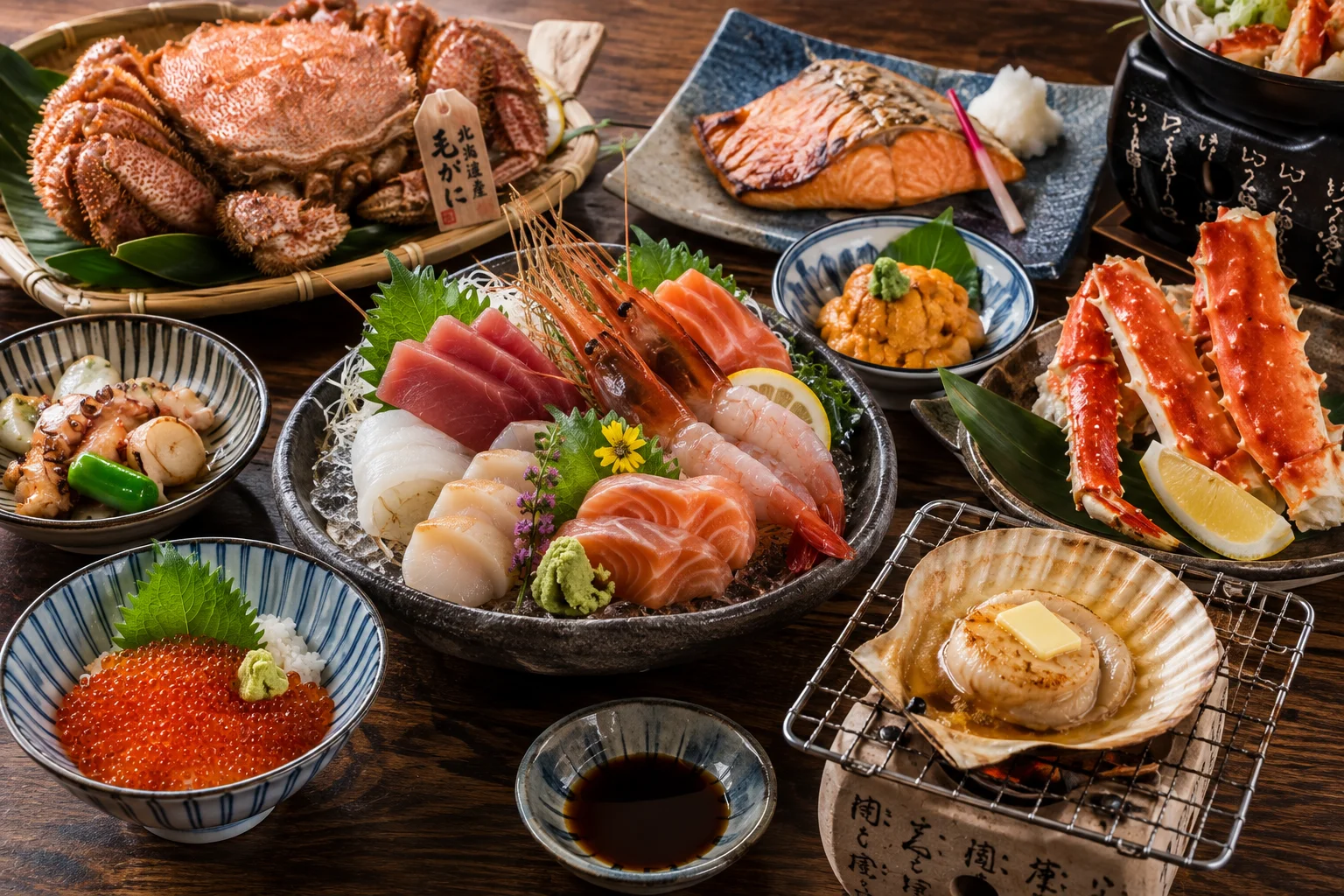
Hokkaido has a food culture that is closely connected to its geography, climate, agriculture, and surrounding seas. As Japan’s northernmost major island, the region has developed a distinctive culinary identity built around seafood, dairy products, agricultural ingredients, and hearty dishes suited to its colder climate.
For travelers, exploring Hokkaido through food offers a way to understand the region beyond its landscapes and cities. Ingredients that may seem familiar can take on a different character when produced locally, while regional dishes reflect the history and lifestyle of the communities that developed them.
Sapporo plays an important role in this culinary landscape. As Hokkaido’s largest city, it brings together ingredients and food traditions from across the island, making it a convenient place to discover the diversity of Hokkaido cuisine.
What Makes Hokkaido Food Culture Unique
Hokkaido’s food culture has been shaped by its natural environment.
The island has extensive agricultural land, productive fishing grounds, and a climate that supports different types of crops and livestock.
The influence of the sea
Hokkaido is surrounded by productive waters, making seafood one of the defining elements of its cuisine.
Depending on the season and region, travelers may encounter crab, scallops, salmon, sea urchin, shrimp, squid, and other varieties of seafood.
The ingredients can appear in simple preparations as well as more elaborate dishes.
The influence of the land
Hokkaido is also an important agricultural region.
Potatoes, corn, wheat, vegetables, dairy products, and other ingredients contribute to the island’s culinary identity.
This combination of agricultural and marine products gives Hokkaido cuisine considerable variety.
Seafood in Hokkaido Cuisine
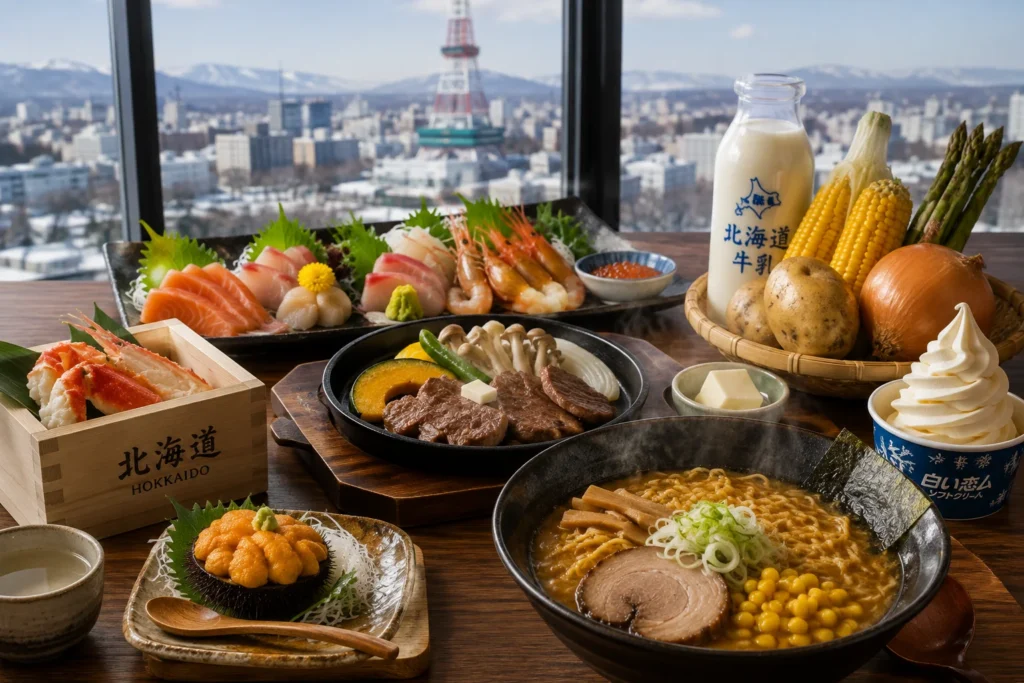
Seafood is among the most recognizable aspects of Hokkaido food culture.
The island’s cold surrounding waters support a wide variety of marine life, while different coastal areas have developed their own specialties.
Crab
Crab is strongly associated with Hokkaido and can be enjoyed in several forms.
Depending on the variety and season, it may be served steamed, grilled, in hot pots, or incorporated into other dishes.
For travelers, crab can be an opportunity to experience the richness of Hokkaido seafood without relying on heavily seasoned preparations.
Sea urchin
Sea urchin is another ingredient that attracts food-focused travelers.
Fresh uni is often appreciated for its creamy texture and delicate sweetness.
Its availability and quality can vary according to season and location, making timing an important consideration for visitors interested in trying it.
Scallops
Hokkaido scallops are valued for their texture and natural sweetness.
They can be served raw, grilled, seared, or incorporated into rice and other regional dishes.
Because scallops can be prepared in different ways, they are accessible to travelers who want to explore seafood without limiting themselves to sashimi.
Salmon
Salmon has an important place in northern Japanese food culture.
It can appear in grilled dishes, rice preparations, soups, and other regional meals.
Its versatility makes it one of the easier Hokkaido ingredients for international travelers to encounter.
Hokkaido’s Agricultural Food Culture
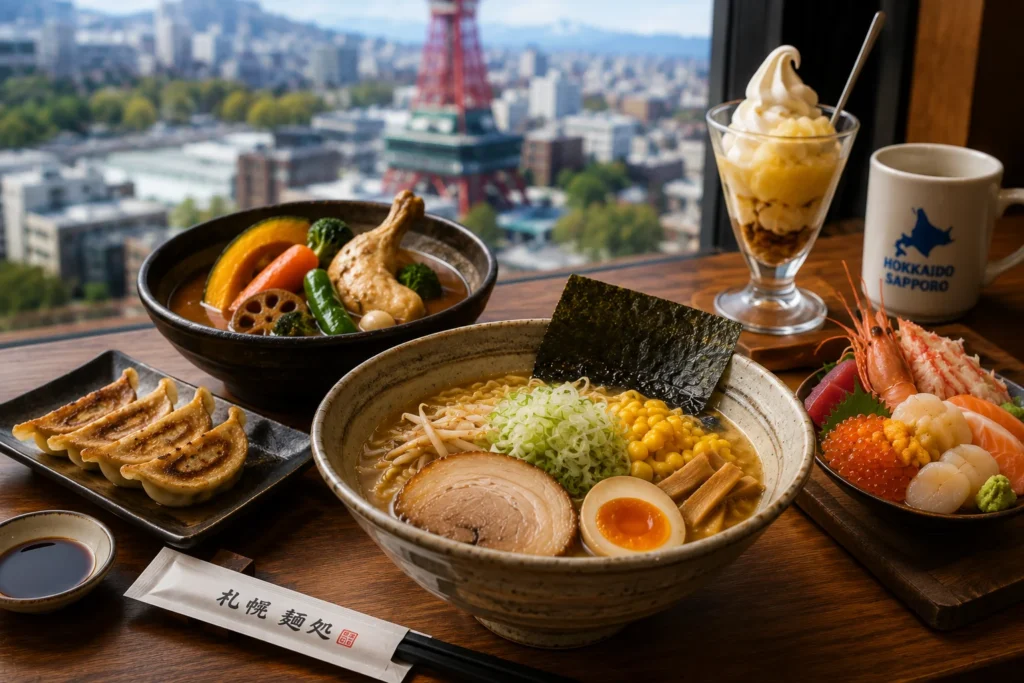
Hokkaido’s culinary identity would not be complete without its agricultural products.
The island’s spacious farmland supports a wide range of crops and livestock.
Potatoes
Potatoes are among Hokkaido’s best-known agricultural products.
They can be used in traditional Japanese dishes as well as contemporary cuisine.
Their presence can also be seen in snacks and regional food products designed for visitors.
Corn and vegetables
Hokkaido produces a variety of vegetables, including corn, onions, pumpkins, and other seasonal produce.
Fresh vegetables can appear in restaurants throughout the island, particularly during their peak seasons.
Corn is especially associated with summer and can be enjoyed simply grilled or prepared in other dishes.
Wheat
Wheat production also contributes to the region’s food culture.
It plays an important role in bread, noodles, baked goods, and other foods.
The availability of local agricultural ingredients has helped create a food culture that extends far beyond seafood.
Dairy Products and Hokkaido Cuisine
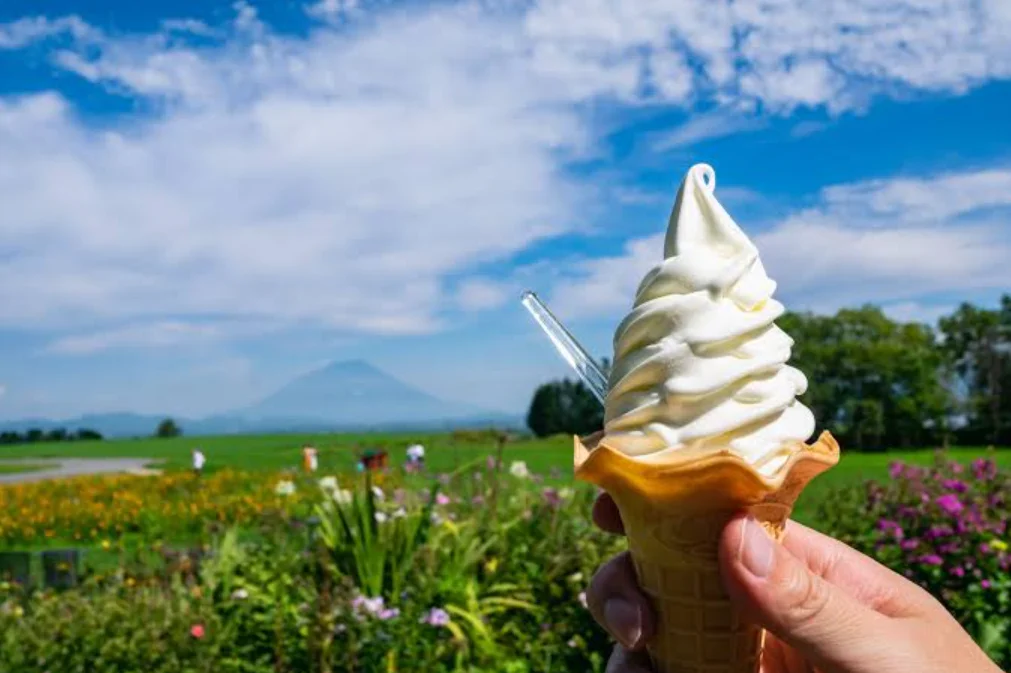
Hokkaido is widely associated with dairy farming.
The region’s dairy products appear in both everyday foods and specialty items.
Milk and cream
Fresh milk and cream are commonly used in desserts, drinks, sauces, and other dishes.
Travelers may notice that dairy products appear frequently on menus and in food shops.
Cheese and butter
Cheese and butter are also important parts of Hokkaido’s agricultural food culture.
They can be used in Western-style dishes as well as Japanese interpretations of familiar foods.
Hokkaido desserts
Dairy products contribute to the island’s strong dessert culture.
Soft-serve ice cream, puddings, cakes, and other sweets are popular with both locals and visitors.
Trying dairy-based desserts can be an easy way to experience Hokkaido’s agricultural identity without committing to a large meal.
Sapporo’s Role in Hokkaido Food Culture
Sapporo acts as an important culinary hub for the region.
Because people, ingredients, and food traditions from different parts of Hokkaido converge in the city, travelers can experience a broad selection of regional cuisine without traveling to every corner of the island.
A meeting point for regional ingredients
Restaurants and food markets in Sapporo can showcase seafood from coastal areas and agricultural products from throughout Hokkaido.
This makes the city particularly convenient for visitors with limited time.
Local dishes with a Sapporo identity
Sapporo has also developed dishes and food styles that have become closely associated with the city.
Miso ramen and soup curry are two examples of foods that have developed strong connections with Sapporo’s culinary identity.
These dishes demonstrate how Hokkaido ingredients and local preferences can combine to create food traditions that feel distinctly regional.
Soup Curry and Sapporo’s Food Identity
Soup curry is one of the dishes strongly associated with Sapporo.
Unlike the thicker curry styles commonly encountered elsewhere in Japan, soup curry features a lighter, more aromatic broth with vegetables, meat, seafood, or other ingredients.
A flexible regional dish
One appealing aspect of soup curry is its variety.
Restaurants can offer different combinations of protein, vegetables, spice levels, and broth styles.
This gives travelers the opportunity to try several interpretations of the same basic dish.
Why it suits Hokkaido
The warm, aromatic nature of soup curry makes it particularly appealing during colder months.
For travelers visiting Sapporo in winter, it can provide a satisfying meal after spending time outdoors.
Sapporo-Style Miso Ramen
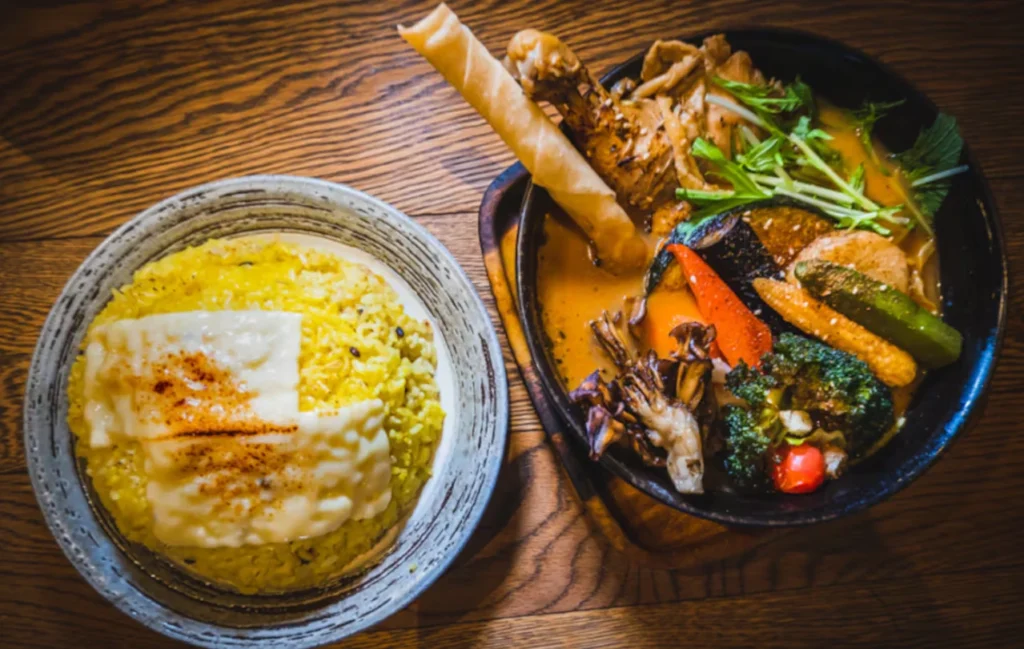
Ramen is another major part of Sapporo’s culinary identity.
Sapporo-style miso ramen is generally associated with a rich broth, noodles, and toppings that create a hearty meal.
A cold-weather favorite
The warmth and richness of miso ramen make it especially suitable for Hokkaido’s colder climate.
Visitors walking through snowy Sapporo can easily understand why hearty noodle dishes have become so popular in the region.
Ramen as a regional experience
Japan has many regional ramen traditions, and trying Sapporo-style ramen allows travelers to compare Hokkaido’s approach with ramen from other parts of the country.
This is one example of how regional differences make food an important part of traveling through Japan.
Seasonal Food in Hokkaido
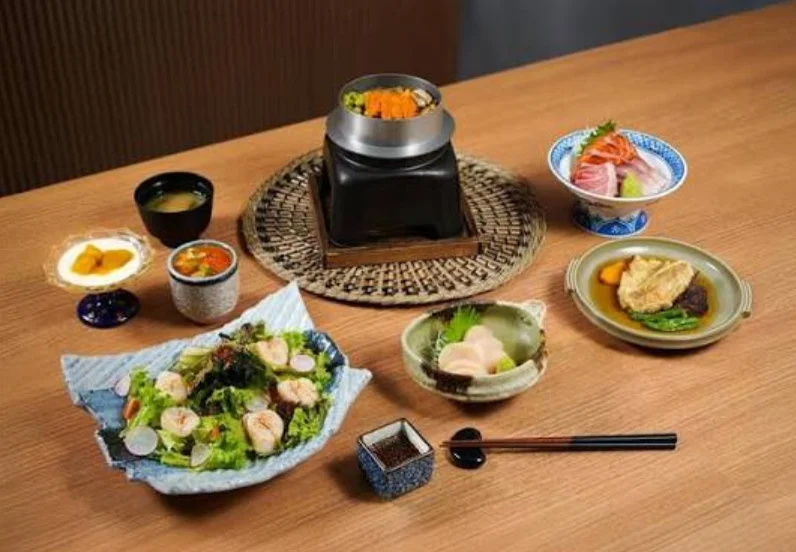
Seasonality plays an important role in Hokkaido’s food culture.
Different ingredients become more prominent throughout the year, giving travelers reasons to return during different seasons.
Spring
Spring brings new vegetables and other seasonal ingredients.
As temperatures become milder, lighter dishes and fresh produce can become more prominent.
Summer
Summer is an excellent time for fresh agricultural products.
Corn, vegetables, seafood, and other seasonal ingredients can appear in markets and restaurants.
Summer is also an enjoyable season for exploring food markets and outdoor food events.
Autumn
Autumn is associated with harvest season.
Potatoes, pumpkins, mushrooms, seafood, and other ingredients can become particularly prominent.
For travelers interested in agricultural food culture, autumn can provide an especially interesting perspective on Hokkaido.
Winter
Winter changes both the environment and the types of food travelers may seek.
Warm soups, ramen, hot pots, seafood, and other hearty dishes become particularly appealing.
The contrast between cold outdoor temperatures and warm meals is an important part of the seasonal dining experience.
Experiencing Hokkaido Food at Different Levels
Travelers do not need to choose only one type of dining experience.
Hokkaido cuisine can be explored through casual meals, markets, cafés, traditional establishments, and refined restaurants.
Casual local food
Casual restaurants can be an excellent way to experience everyday dishes.
Ramen shops, curry restaurants, cafés, and neighborhood establishments can offer approachable meals without requiring a long dining experience.
Markets and food halls
Markets can provide an opportunity to see different ingredients in one place.
Travelers can observe seafood, produce, snacks, sweets, and prepared foods while getting a better sense of the region’s culinary diversity.
Refined dining
For a more elaborate experience, travelers can explore restaurants that emphasize seasonal ingredients, presentation, and attentive service.
These experiences can demonstrate how Hokkaido ingredients are transformed into more sophisticated dishes.
Visitors looking for a refined meal in the city can also consider a sapporo restaurant that highlights regional ingredients and contemporary Japanese dining.
How to Explore Hokkaido Food as a Traveler
A food-focused trip does not require an itinerary built entirely around restaurants.
Start with regional specialties
Identify several foods that are strongly connected to Hokkaido and try them during the trip.
This might include seafood, soup curry, miso ramen, dairy desserts, or seasonal agricultural products.
Compare different preparations
The same ingredient can taste completely different depending on how it is prepared.
Scallops, for example, can be enjoyed raw, grilled, or incorporated into other dishes.
Trying several preparations can provide a better understanding of the ingredient itself.
Visit local food markets
Markets can be useful for travelers who want to discover unfamiliar ingredients without committing to a full restaurant meal.
They can also provide opportunities to try smaller portions and regional snacks.
Hokkaido Food Culture Beyond Sapporo
Although Sapporo is an important culinary center, Hokkaido’s food culture extends far beyond the city.
Coastal communities have their own seafood traditions, agricultural regions produce distinctive crops, and rural areas can offer different approaches to dairy and meat.
Travelers with more time can explore different parts of the island to see how geography influences local cuisine.
Coastal food traditions
Coastal destinations can offer particularly strong connections to seafood.
Visiting these areas can provide a different perspective from dining in a major city, where ingredients from throughout the region are brought together.
Agricultural regions
Rural Hokkaido provides opportunities to understand the relationship between farming and food.
Travelers may encounter farm shops, local produce, dairy products, and regional specialties that are less visible in large urban centers.
Food as a Way to Understand Hokkaido
One of the most rewarding aspects of regional cuisine is that food can tell a story about a place.
Hokkaido’s seafood reflects its surrounding waters. Its dairy products and vegetables reflect the importance of agriculture. Its hearty dishes reflect the need for satisfying meals during cold winters.
The result is a cuisine shaped by both natural resources and human adaptation.
For visitors, paying attention to these connections can make each meal more meaningful.
Tips for Enjoying Hokkaido Cuisine
A few practical considerations can help travelers get more from their food experiences.
Be open to unfamiliar ingredients
Some Hokkaido specialties may be unfamiliar to international visitors.
Trying something new can be one of the most memorable parts of a food-focused trip.
Ask about seasonal recommendations
Restaurant staff can often suggest ingredients that are particularly good at the time of your visit.
Seasonal recommendations may lead to dishes that are not immediately obvious from a standard menu.
Balance rich and light meals
Hokkaido has many hearty dishes, particularly during colder months.
Travelers can balance richer meals with seafood, vegetables, lighter dishes, and fresh produce throughout the trip.
Do not focus only on famous foods
Well-known specialties are useful starting points, but smaller local dishes can sometimes provide a more personal experience.
Leaving some space for spontaneous discoveries can make the food journey more interesting.
Planning a Food-Focused Hokkaido Trip
Travelers interested in food can build an itinerary around different culinary experiences without making the entire trip feel like a restaurant tour.
A morning market visit could be followed by sightseeing, an afternoon café stop, and a regional dinner.
Another day might focus on agricultural products or local sweets before finishing with a hearty bowl of ramen.
This approach allows food to complement the wider travel experience.
Final Thoughts
Hokkaido’s food culture reflects the island’s relationship with the sea, land, climate, and changing seasons.
Seafood, vegetables, wheat, dairy products, and regional dishes such as soup curry and Sapporo-style miso ramen have all contributed to a culinary identity that is distinctly northern Japanese.
Sapporo provides one of the easiest places for travelers to experience this diversity because ingredients and food traditions from across Hokkaido converge in the city.
However, the deeper appeal lies in exploring how food changes between seasons and regions. Whether enjoying fresh seafood, local dairy products, a casual bowl of ramen, or a carefully prepared seasonal meal, travelers can use food as a way to understand Hokkaido more closely.
For anyone visiting Japan, exploring Hokkaido through its cuisine can turn ordinary meals into an important part of the travel experience.
Frequently Asked Questions
What food is Hokkaido best known for?
Hokkaido is particularly known for seafood, dairy products, agricultural ingredients, soup curry, Sapporo-style miso ramen, and a variety of regional specialties.
Why is Hokkaido famous for seafood?
The island is surrounded by productive waters that support a wide range of marine life. Its cold-water environment contributes to the variety of seafood available throughout the region.
What food is Sapporo known for?
Sapporo is strongly associated with miso ramen and soup curry. The city also offers extensive access to Hokkaido seafood, dairy products, vegetables, and other regional ingredients.
What is the best season for Hokkaido food?
Every season offers different ingredients. Summer is excellent for fresh produce, autumn highlights harvest ingredients, and winter is particularly appealing for seafood and warming dishes.
Can I experience Hokkaido cuisine without leaving Sapporo?
Yes. Sapporo brings together ingredients and culinary traditions from across Hokkaido, making it possible to experience a broad selection of regional food within the city.